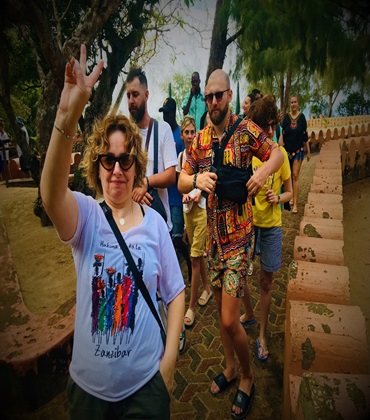
Are There Cultural Experiences Near Serengeti National Park?
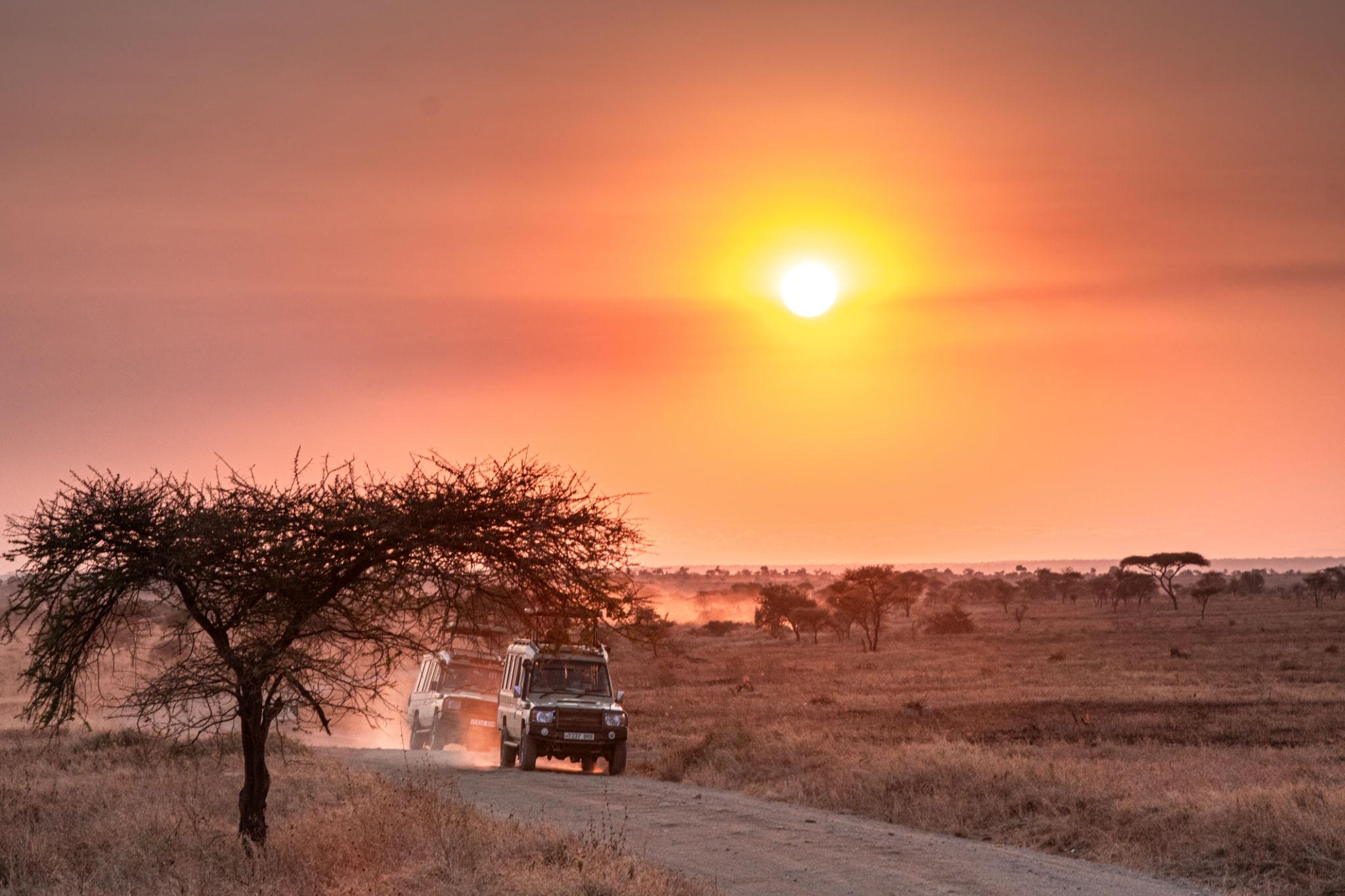
Many travelers ask an important question: Are there cultural experiences near the Serengeti? The answer is yes. Around the Serengeti, there are many rich cultural experiences where you can meet local communities, learn traditions, and understand how people live alongside wildlife. These experiences make your safari more meaningful and help you connect with both nature and people in Tanzania. You can also gain a deeper understanding of history, daily life, and the relationship between communities and the environment.
Cultural experiences are an important part of visiting northern Tanzania because they help you understand the daily life of people living near wildlife. These communities have lived alongside animals for many generations and have developed strong traditions to survive in this environment. When you explore culture near the Serengeti, you learn about traditional lifestyles such as farming, herding, hunting, and craftsmanship. You also support local communities by paying for tours, buying handmade products, and using local services, which helps improve their income. Cultural visits also allow you to understand local history, beliefs, and social structures. In the end, it is not only about seeing animals but also about understanding how people and nature coexist in the same ecosystem.
Cultural Experiences Near Serengeti National Park
1. Visit Maasai Villages (Bomas)
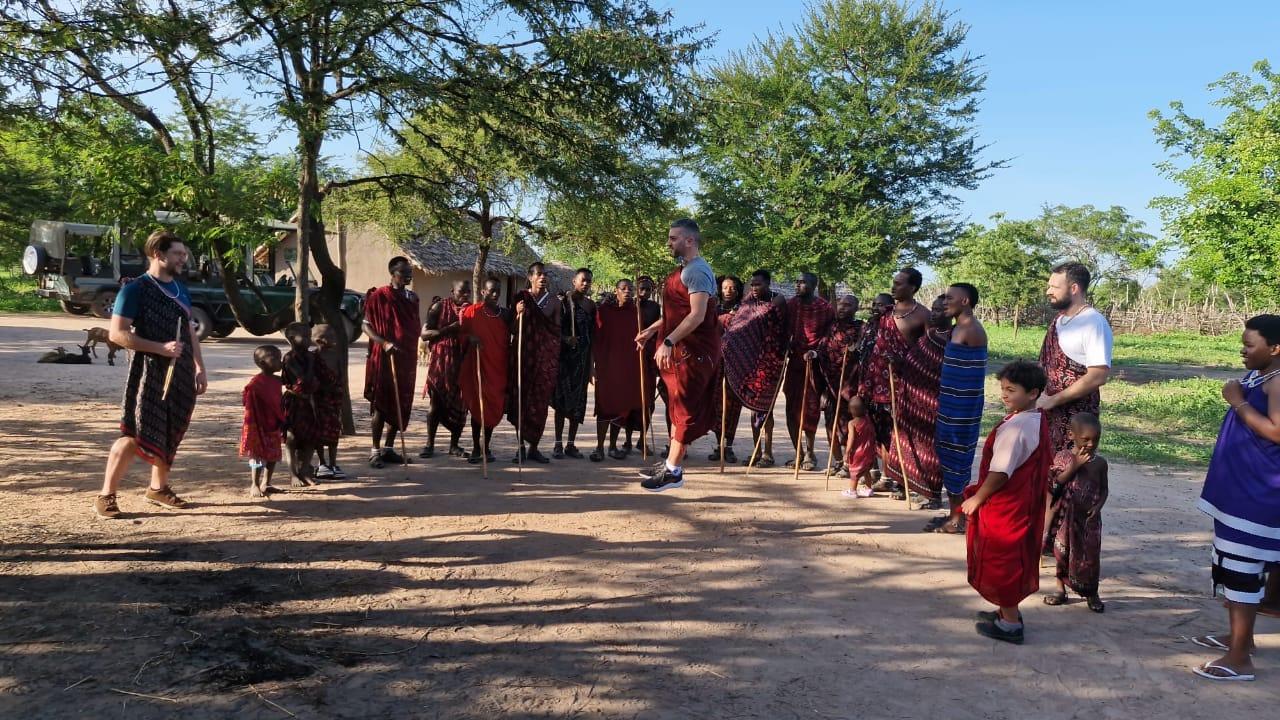
One of the most popular cultural experiences near the Serengeti is visiting the Maasai people. When you visit a Maasai village, you will see traditional homes called bomas, which are made from mud, sticks, and grass and arranged in a circular shape for protection. You will experience cultural dances, including the famous jumping dance called Adumu, which shows strength and unity. You will also hear stories about their traditions, beliefs, and way of life from elders or guides. Daily activities such as cattle herding are very important in Maasai life, as cattle represent wealth and cultural identity. The Maasai are known for living close to wildlife while maintaining their strong cultural identity. Visiting them gives you a real and deeper understanding of how they preserve their traditions while adapting to modern changes.
2. Explore the Ngorongoro Cultural Area
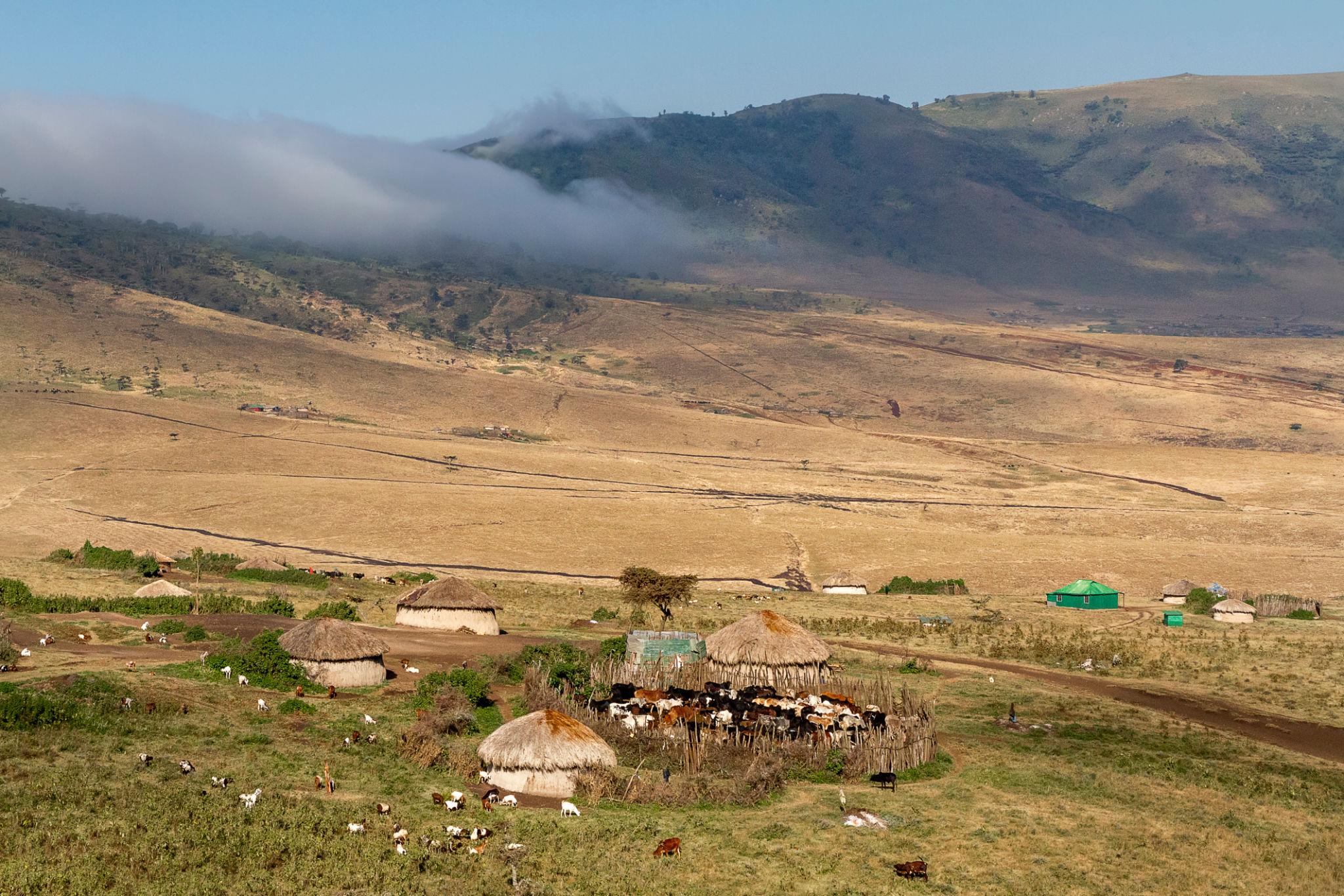
Near the Serengeti is the famous Ngorongoro Conservation Area, which combines wildlife protection with human life. In this area, Maasai communities live inside the conservation land, sharing space with wild animals such as lions, zebras, and elephants. You will see traditional cattle grazing practices where herders move livestock carefully across the land depending on seasons. You can also join guided cultural visits where experts explain how conservation rules allow both wildlife and people to survive together. This area also shows how traditional lifestyles are adapting to modern conservation policies. It is one of the best examples in Africa of how humans and nature can coexist in a balanced way.
3. Visit Local Villages Around Serengeti
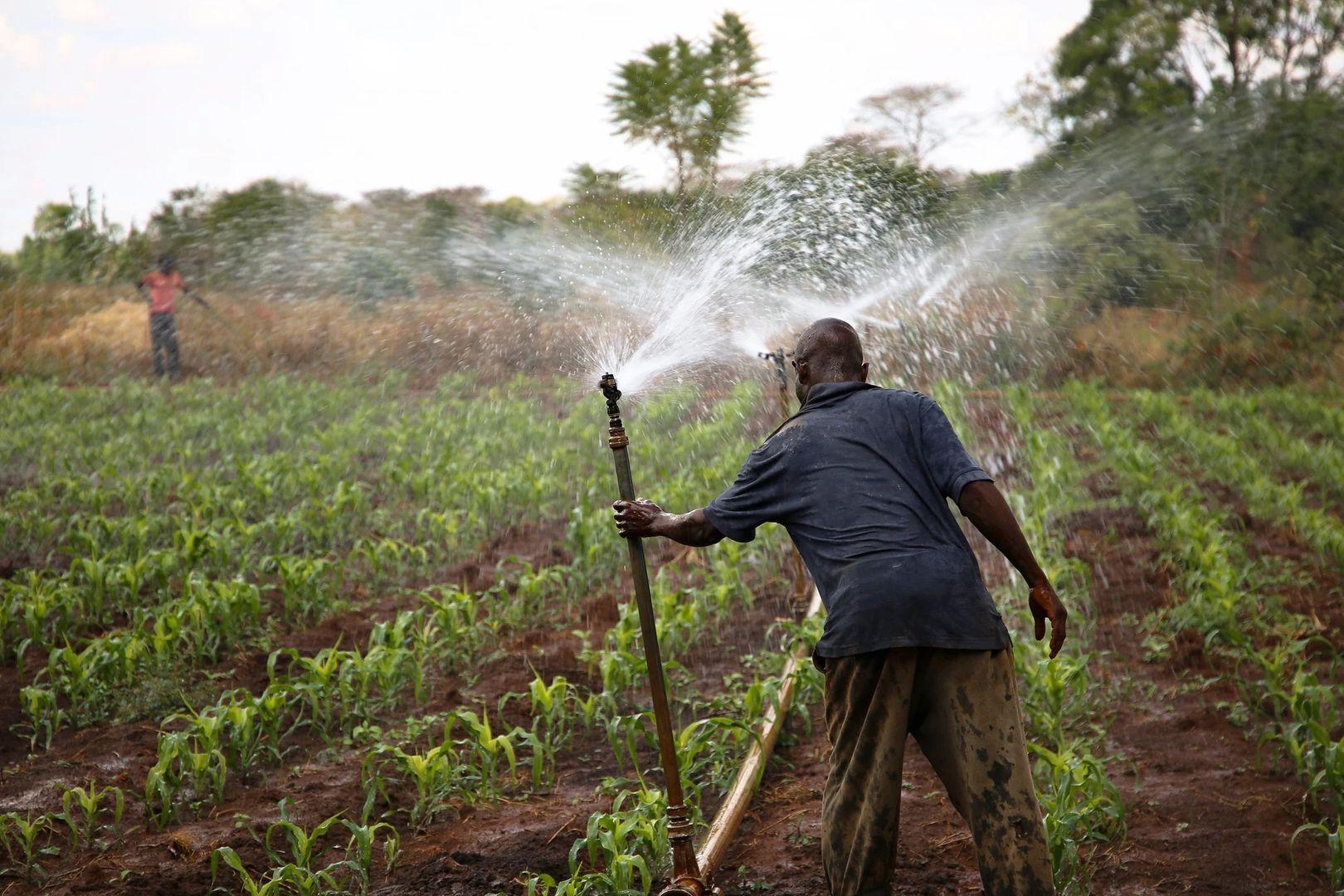
Around the Serengeti ecosystem, there are many small villages where different communities live simple rural lives that depend on nature. During village visits, you can enter local homes and learn about daily routines such as cooking, cleaning, and farming. You can also observe farming methods like growing maize, beans, and vegetables using rain-fed agriculture. Meeting local families gives you a chance to hear their personal stories about education, challenges, and daily survival. People often use natural resources such as firewood, water, and local materials for building homes. These guided visits help you understand real rural life in Tanzania and show how communities live closely connected to the land and environment.
4. Explore the Hadzabe Hunter-Gatherer Culture
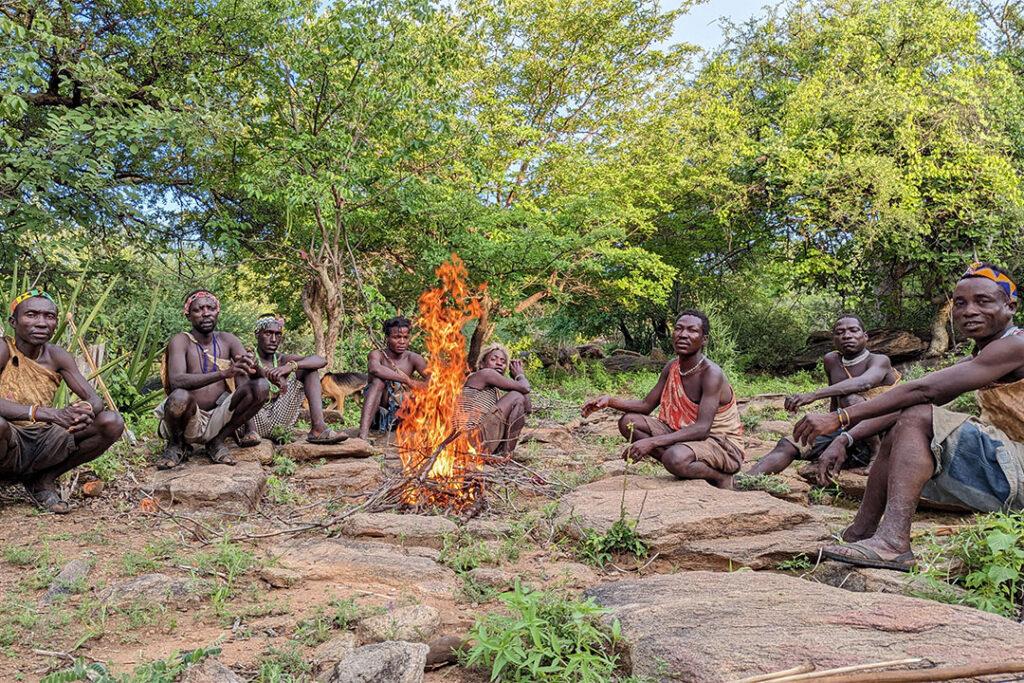
Another unique cultural experience near the Serengeti is visiting the Hadzabe people near Lake Eyasi. The Hadzabe are one of the last remaining hunter-gatherer communities in Africa, living without modern farming or livestock keeping. They depend on hunting small animals using bows and arrows and collecting wild fruits, roots, and honey from forests and bush areas. Their lifestyle is highly mobile, as they move depending on food availability. When you visit them, you may join guided activities such as early morning hunting trips, fire-making demonstrations, and food gathering. This experience helps you understand a very ancient way of life that has remained almost unchanged for thousands of years.
5. Visit the Datoga Blacksmith Community
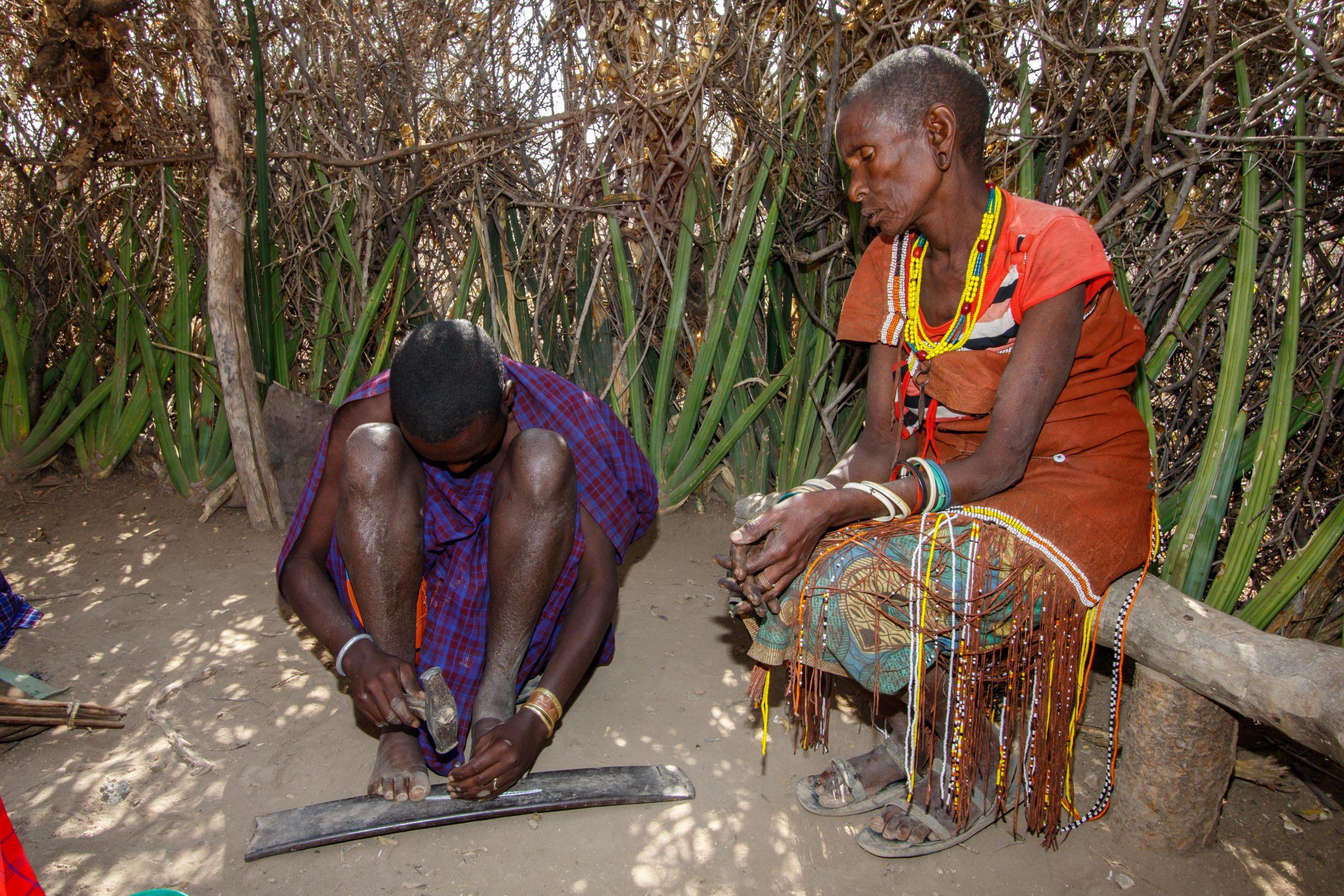
Near the Hadzabe region, you can also meet the Datoga people. The Datoga are skilled pastoralists and traditional metalworkers who are known for their blacksmithing skills. During your visit, you can watch how they melt scrap metal using fire and shape it into tools, knives, arrowheads, and jewelry using simple traditional techniques. You will also learn about their cattle-based lifestyle, where livestock plays an important role in wealth and social status. Their strong cultural traditions are reflected in their clothing, ceremonies, and social structure. This experience gives you a deeper understanding of craftsmanship and traditional technology in rural Tanzania.
6. Visit Local Markets in Northern Tanzania
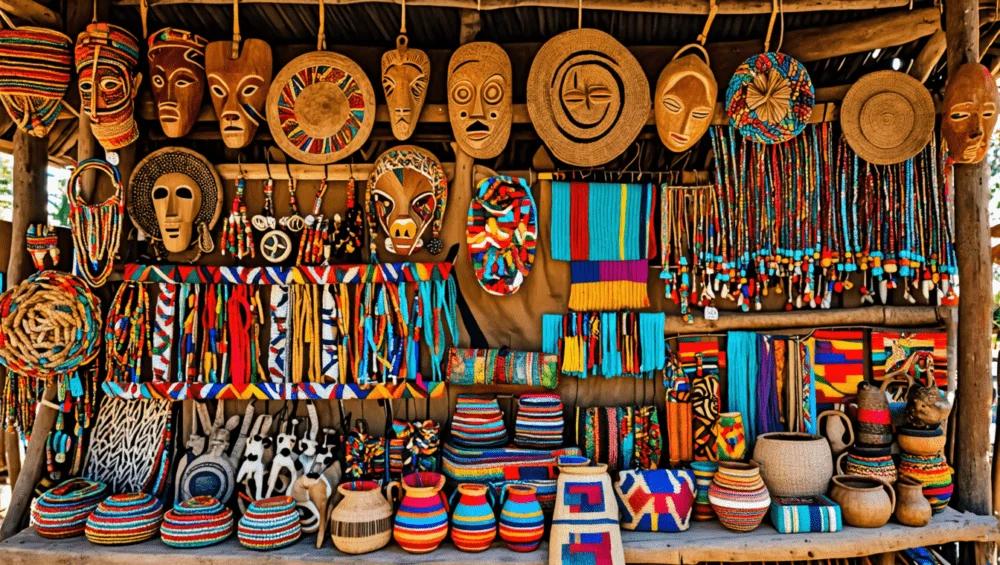
Markets near the Serengeti, especially in towns like Mto wa Mbu, are full of life, color, and daily activity. In these markets, you will find fresh fruits, vegetables, grains, spices, and local foods that are grown by nearby farmers. You can also see handmade crafts such as baskets, wood carvings, paintings, and fabrics that represent local creativity. Markets are also social places where people meet, talk, and exchange news. You can interact with vendors, learn how local trade works, and even practice bargaining, which is a normal part of shopping. Visiting a market gives you a real sense of everyday life and culture in northern Tanzania.
7. Try Traditional Tanzanian Food
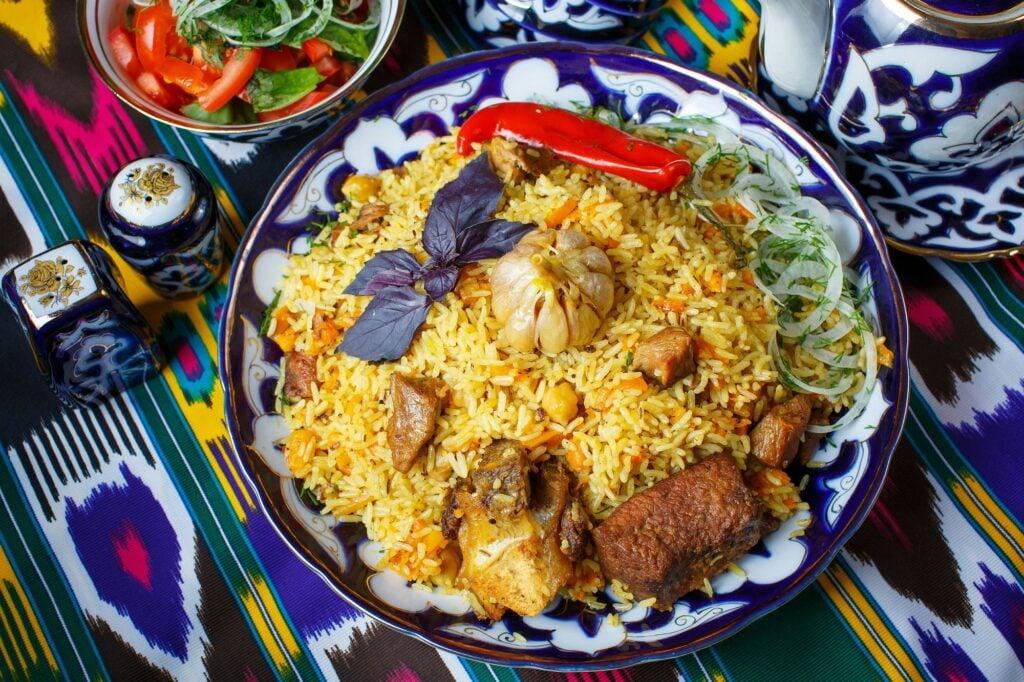
Food is a big and important part of culture in the Serengeti region, as it reflects local farming and traditions. You can try Ugali, which is a thick maize meal often eaten with vegetables or meat, Nyama Choma, which is grilled meat commonly shared in groups, and Pilau, which is rice cooked with spices and meat or vegetables. In some lodges and villages, you can also join cooking lessons where locals teach you how to prepare these meals step by step, giving you a hands-on cultural experience.
8. Watch Traditional Music and Dance
Cultural performances around the Serengeti are an important way for communities to celebrate and share their traditions. These performances often include drumming, singing, traditional dances, storytelling through movement, and group celebrations. They are usually energetic and joyful, and in many cases, visitors are invited to join the dancing. This makes the experience fun, interactive, and memorable.
9. Learn About Local Farming and Daily Life
Many communities around the Serengeti depend on farming and livestock keeping. During cultural visits, you can learn how crops like maize, beans, and vegetables are grown using simple tools and natural rainfall. You will also see how cattle are raised and moved across grazing lands depending on seasons and water availability. Traditional farming methods are often passed down through generations and are closely connected to the environment. Learning about daily life helps you understand how people adapt to changing weather, wildlife presence, and limited resources while still maintaining their way of life.
10. Stay in Cultural or Community-Based Lodges
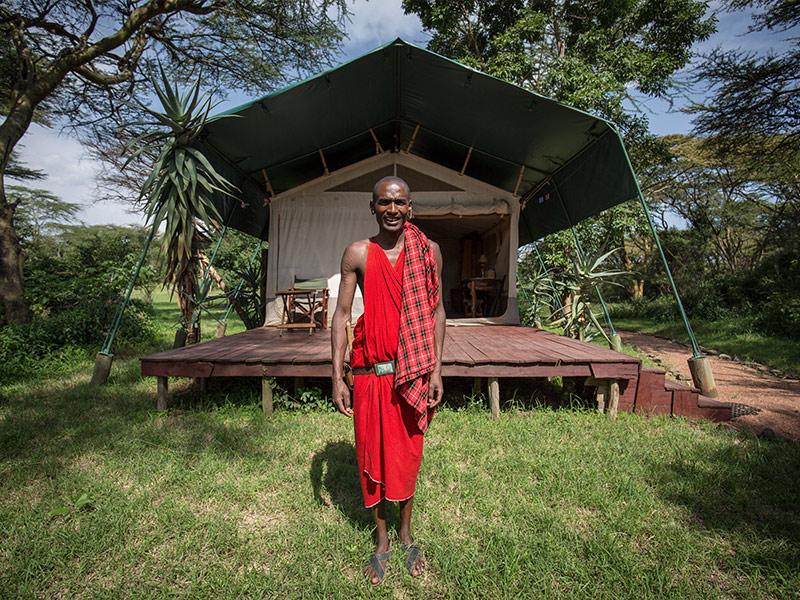
Some lodges and camps near the Serengeti are designed to support local communities and promote cultural tourism. Staying in these places allows you to directly support local families through employment and community projects. You may interact with local staff who share their cultural knowledge and personal experiences with visitors. These lodges often promote conservation education, showing how tourism can help protect wildlife and support communities at the same time. This type of accommodation gives you a more meaningful and responsible travel experience.
Best Time to Experience Cultural Activities Near Serengeti
Cultural experiences near the Serengeti can be enjoyed throughout the year, but different seasons offer different benefits. From June to October, the weather is dry and travel conditions are easier. From January to March, you may also see wildlife activity during the calving season. From November to December, there are fewer tourists, which allows for more personal and relaxed cultural interactions.
Frequently Asked Questions (FAQs)
Are cultural experiences available inside Serengeti National Park?
Most cultural experiences are located outside the park boundaries in nearby villages and conservation areas. Inside the park, the focus is mainly on wildlife viewing. This is because the Serengeti is protected mainly for animals, so human activities like village life and cultural tours are not allowed inside the main park area. However, just outside the park, you can easily find many villages where cultural visits are organized, making it very convenient to combine both safari and culture in one trip.
Can I visit Maasai villages near Serengeti?
Yes, visiting Maasai villages is one of the most common and popular cultural experiences in the Serengeti region. These visits allow you to see traditional homes, learn about daily life, and watch cultural dances. You may also interact with Maasai families, learn about their cattle-keeping lifestyle, and understand their strong cultural traditions. Most visits are arranged with a guide, which makes the experience more organized, respectful, and informative for visitors.
Are cultural visits safe?
Yes, cultural visits are generally safe when arranged through a trusted guide or tour operator who knows the local communities and follows proper procedures. Local people are usually friendly and welcoming to visitors. Your guide helps you move safely, communicate with communities, and understand cultural rules. As long as you respect instructions, avoid wandering alone, and follow local advice, your experience will be very safe and enjoyable.
How long do cultural visits take?
Most cultural visits take a few hours, but some experiences can last a full day depending on the activities included and the distance traveled. A short visit may include a village tour or a market visit, while a longer trip may include multiple activities such as dancing, cooking lessons, and visiting nearby communities. Some travelers also combine cultural visits with safari drives, making the experience more complete and flexible.
Do cultural tours cost money?
Yes, most cultural tours require a small fee, which directly supports local families, guides, and community development projects. The money helps improve education, healthcare, and daily living conditions in the communities you visit. Paying for these tours also encourages sustainable tourism, which helps protect traditions and supports long-term community growth. It is a meaningful way to give back while enjoying an authentic cultural experience.
⇒There are many rich and meaningful cultural experiences near Serengeti National Park. From Maasai villages to the unique Hadzabe hunter-gatherer lifestyle, each experience gives you a deeper understanding of Tanzania beyond wildlife. By combining culture with your safari, you enjoy a more complete journey filled with nature, people, traditions, and unforgettable memories.
Book Now!
If you are planning a cultural safari or Serengeti experience, you can book your trip with Rede Tours and Safaris for a well-organized and memorable journey in Tanzania. We help travelers plan both wildlife safaris and cultural tours around the Serengeti region, making it easier to experience the best of nature and local culture in one trip.
With our local knowledge, we can guide you to authentic experiences such as Maasai village visits, local market tours, and community-based cultural activities. We also help arrange transport, guides, and flexible itineraries based on your travel time and budget.
Choosing Rede Tours and Safaris also means you get support from people who understand the region well, making your trip safer, smoother, and more enjoyable from start to finish.
Contact for Booking
📧 Email: info@redetoursandsafaris.com
📱 WhatsApp: +255 676 063 791