
Serengeti National Park Overview
What is Serengeti National Park?
Serengeti National Park is one of the most famous wildlife destinations in Africa and one of the best places in Tanzania for a classic safari experience. Located in northern Tanzania, the park forms part of the larger Serengeti-Mara ecosystem, which stretches from Tanzania into Kenya.
For many travellers, the name Serengeti immediately brings to mind endless grasslands, large herds of wildebeest, lions resting under trees and unforgettable wildlife encounters. This is exactly what makes the park so special. Serengeti offers a combination of wide open landscapes, abundant wildlife and a feeling of wilderness that is becoming harder to find in many parts of the world.
The name Serengeti comes from the Maasai word siringet, meaning “the place where the land runs on forever.” When you visit the park, it is easy to understand why. The landscape seems to continue endlessly, with open plains broken by rocky kopjes, acacia trees, rivers and seasonal waterholes.
Covering approximately 14,750 square kilometres, Serengeti National Park was established in 1951 and later became a UNESCO World Heritage Site. Its history is also closely connected with the development of wildlife conservation in Tanzania, which you can explore through the history of Serengeti National Park.
Serengeti is not just one small safari area. It is a huge ecosystem made up of different landscapes and wildlife areas, and understanding the different regions of Serengeti can help you decide where to go depending on the season and the wildlife you want to see.
Why is Serengeti famous?
Serengeti is famous mainly because of the Great Wildebeest Migration. Every year, around 1.5 million wildebeest, together with large numbers of zebra and gazelle, move through the Serengeti-Mara ecosystem in search of fresh grass and water.
However, the migration is not the only reason to visit. Serengeti is also one of the best places in Tanzania to see lions, leopards, cheetahs, elephants, buffalo and many other animals.
The park is also famous for its beautiful scenery. Open grasslands provide excellent visibility, while rocky kopjes, rivers and woodland areas create different habitats for wildlife.
Whether you want to follow the migration, search for big cats or simply enjoy several days in the African wilderness, Serengeti offers a safari experience that can be tailored around your interests.
Serengeti at a Glance
- Location: Northern Tanzania
- Size: Approximately 14,750 km²
- Established: 1951
- UNESCO World Heritage Site: 1979
- Main regions: Central, Northern, Western Corridor, Southern and Eastern Serengeti
- Most famous attraction: Great Wildebeest Migration
- Best known for: Lions, leopards, cheetahs, wildebeest and open plains
- Nearest major tourism hub: Arusha
Why Visit Serengeti?
There are many reasons to include Serengeti in your Tanzania itinerary. You may come because you want to witness the Great Wildebeest Migration, search for the Big Five or simply experience an African wilderness that you have seen in photographs and documentaries.
Serengeti also offers more than traditional game drives. Depending on your itinerary and location, you can enjoy activities such as walking, photography and other Serengeti safari activities.
Where Is Serengeti National Park Located?
Serengeti National Park is located in northern Tanzania, close to the country's border with Kenya. It covers a large area of the Mara and Simiyu regions and forms the Tanzanian part of the wider Serengeti-Mara ecosystem.
To the north, Serengeti connects with Kenya's Maasai Mara National Reserve. To the southeast, it borders the Ngorongoro Conservation Area, making it easy to combine both destinations in the same northern Tanzania safari.
Arusha is the main tourism hub for most travellers visiting Serengeti. The distance from Arusha is approximately 325–350 kilometres depending on which part of the park you are visiting, and the journey by road normally takes around 7–8 hours.
Travellers coming from Zanzibar or Dar es Salaam often choose to fly instead, especially when time is limited. A flight can take you directly towards one of the Serengeti airstrips instead of spending most of a day travelling by road.
The journey itself can also be part of the experience, particularly when Serengeti is combined with destinations such as Tarangire, Lake Manyara and Ngorongoro.
Serengeti National Park Map & Main Areas
Looking at a Serengeti map before booking your safari can help you understand why location matters so much. Serengeti covers a huge area, and wildlife movements change throughout the year.
The park is generally divided into several main regions, including Central Serengeti, Northern Serengeti, the Western Corridor, Southern Serengeti and Eastern Serengeti.
Central Serengeti is the most accessible area and is especially popular around Seronera because of its year-round wildlife. Northern Serengeti becomes particularly important during the migration season when the herds move towards the Mara River.
The Western Corridor follows the Grumeti River and becomes important as the migration moves west and north, while the Southern Serengeti and Ndutu plains are best known for the calving season.
The quieter Eastern Serengeti offers a more remote experience and is particularly attractive to travellers looking for fewer vehicles and good opportunities to see cheetahs.
Major access points include Naabi Hill Gate in the south, Ndabaka Gate in the west, Ikoma Gate in the northwest and Klein's Gate in the north.
Serengeti Regions in Detail
One of the most important things to understand about Serengeti is that different regions offer different experiences. The best area for your safari depends largely on the month you are travelling and what you want to see.
Central Serengeti – Seronera
Central Serengeti is the most popular part of the park and is often the first choice for visitors travelling to Serengeti for the first time. The main area is Seronera, which sits close to the centre of the park.
Seronera has permanent water sources that attract wildlife throughout the year. Lions, leopards, cheetahs, elephants, buffalo and large numbers of plains animals can all be seen around the area.
The area also has a good network of safari roads and a wide choice of lodges, tented camps and campsites, making Seronera in Central Serengeti a practical choice for many travellers.
Northern Serengeti
Northern Serengeti is one of the most scenic and less crowded parts of the park. The landscape is more varied, with hills, valleys, woodland and open grasslands.
The region becomes particularly famous between around July and October when large numbers of wildebeest move towards the Mara River. This is when travellers have the opportunity to witness dramatic river crossings, although the exact timing depends on rainfall and animal movements.
Even outside the migration period, Northern Serengeti offers excellent resident wildlife and a quieter safari atmosphere.
Western Serengeti – Western Corridor
The Western Corridor stretches towards Lake Victoria and follows the Grumeti River. It becomes especially interesting when the migrating herds move through the area between May and July.
The Grumeti River is home to large crocodiles and other wildlife, while the surrounding riverine forests create a different landscape from the open plains of Central and Southern Serengeti.
The Western Corridor of Serengeti can be a good choice for travellers looking for excellent wildlife viewing with fewer vehicles than the busiest parts of Central Serengeti.
Southern Serengeti – Ndutu & Short Grass Plains
The southern Serengeti becomes one of the most exciting wildlife areas between December and March. This is when migrating wildebeest gather around the short-grass plains of Ndutu and the surrounding areas.
The main attraction during this period is the calving season. Hundreds of thousands of wildebeest give birth, creating an incredible concentration of young animals and predators.
Lions, cheetahs, hyenas and other predators take advantage of the abundance of prey, making the Southern Serengeti one of the best areas for close predator encounters.
Eastern Serengeti
Eastern Serengeti is one of the quieter areas of the park. It receives fewer visitors than Central Serengeti, which can make the safari experience feel more private and peaceful.
The open plains are particularly suitable for spotting cheetahs, while the lower number of vehicles can make wildlife encounters more relaxed. For travellers who prefer a quieter part of the park, the Eastern Serengeti is worth considering.
Serengeti Wildlife
Serengeti is famous for having one of the greatest concentrations of wildlife in Africa. The combination of open grasslands, rivers, woodlands and rocky kopjes creates different habitats for a wide variety of animals.
The plains are home to huge numbers of wildebeest, zebra, Thomson's gazelles, Grant's gazelles and other grazing animals. These herbivores support a large population of predators, including lions, cheetahs, leopards and hyenas.
Elephants are widely distributed across the park, while large buffalo herds can often be seen around areas with suitable water and grazing. Giraffes are more common in areas with trees and woodland.
Along rivers and permanent pools, you may see hippos and crocodiles. Serengeti is also an excellent destination for birdwatching, with hundreds of recorded bird species including vultures, eagles, secretary birds, ostriches and many smaller species.
For travellers who enjoy photography, the combination of wildlife and open landscapes makes Serengeti particularly rewarding, especially when combined with a dedicated photographic safari.
The Big Five in Serengeti
Serengeti is one of the best places in Tanzania to look for the African Big Five: lion, leopard, elephant, buffalo and black rhinoceros.
Lions are among the easiest Big Five animals to find in Serengeti. Large prides are commonly seen around Central Serengeti, especially near areas with permanent water and abundant prey.
Leopards are more difficult to find because they are solitary and spend much of their time hidden. Seronera is one of the better areas to look for them, especially around riverine vegetation and trees.
Elephants are widely distributed across Serengeti and may be seen moving across open plains or feeding around woodland areas, while buffalo can often be found in large herds.
Black rhinos are present but much harder to see than the other four members of the Big Five. Their numbers are lower and sightings require patience and some luck.
Seeing all five during one safari is possible, but there is never a guarantee. Wildlife is free to move, and every game drive is different.
The Great Wildebeest Migration
The Great Wildebeest Migration is one of the main reasons travellers from around the world come to Serengeti. Around 1.5 million wildebeest, together with hundreds of thousands of zebra and gazelle, move through the Serengeti-Mara ecosystem every year.
It is important to understand that the migration is not one single event that happens on one particular day. It is a continuous natural cycle that takes place throughout the year as the herds respond to rainfall, fresh grass and water.
At different times of the year, the animals may be found in the southern plains, Western Corridor, Central Serengeti or Northern Serengeti. This is why choosing the right area is just as important as choosing the right month.
One of the most dramatic parts of the migration is the Mara River crossing. Thousands of animals may gather near the river before attempting to cross. Some crossings are calm, while others can become chaotic as animals rush into the water.
The migration also attracts predators. Lions, cheetahs, hyenas, crocodiles and other predators take advantage of the huge number of available prey, creating some of the most memorable wildlife encounters in Africa.
Serengeti Migration Calendar
The exact timing of the Great Migration changes from year to year because the animals follow the rainfall. However, there is a general pattern that can help you decide when and where to travel.
January – March
The herds are generally concentrated around the Southern Serengeti and Ndutu plains. This is the main calving period, with large numbers of newborn wildebeest and high predator activity.
April – May
The herds begin moving north and west as they follow fresh grass. The Western Corridor becomes increasingly important. The long rains bring green scenery and fewer visitors.
June – July
The migration moves through the Western Corridor and towards the northern Serengeti. The Grumeti River can provide exciting wildlife encounters during this period.
July – October
The herds are generally found in Northern Serengeti and the Maasai Mara area. This is the main period associated with Mara River crossings, although crossings are never guaranteed on a particular date.
November – December
The herds begin moving south again as the short rains arrive. Central and Eastern Serengeti become increasingly important before the cycle begins again in the southern plains.
Best Time to Visit Serengeti
The best time to visit Serengeti depends on what you want to experience. There is wildlife in the park throughout the year, so you do not necessarily have to travel during the busiest months to enjoy a good safari.
June to October is generally considered one of the best periods to visit serengeti for overall game viewing. The weather is mostly dry, vegetation is lower and animals are often easier to spot.
July to October is especially popular with travellers hoping to see the Great Migration in Northern Serengeti and possibly witness Mara River crossings.
January to March is one of the best periods for the calving season in Southern Serengeti and Ndutu. Predator activity can be particularly impressive during these months.
April, May and November can be attractive for travellers who want fewer tourists and potentially better safari rates. The landscapes are also greener during these periods.
November to May is generally a good period for photography because the landscape becomes green and the skies can produce dramatic backgrounds.
Rather than asking only “What is the best month to visit Serengeti?”, it is better to ask what you want to see. The best time to visit Serengeti depends largely on whether your priority is the migration, calving, predators, photography or fewer tourists.
Serengeti Weather & Climate
Serengeti has a relatively mild climate compared with many other parts of Tanzania. The weather changes throughout the year, mainly because of the dry and wet seasons.
Dry Season: The dry season generally runs from June to October. Rainfall is limited, mornings and evenings can feel cool, while afternoons are usually warm and sunny. With less vegetation and animals often staying close to permanent water sources, wildlife can be easier to find.
Wet Season: The wetter months generally run from November to May. November and December bring the short rains, while March to May is usually associated with the long rains.
The wet season transforms Serengeti into a beautiful green landscape. Rain showers are often short, although longer periods of rain can occur during the long-rain season.
Early mornings can be surprisingly cool, especially when you are sitting in an open safari vehicle, while afternoons are normally warmer. For this reason, it is useful to pack layers even when travelling during the warmer months.
Serengeti Safari Seasons
Serengeti is often divided into high, shoulder and low safari seasons. These seasons affect visitor numbers, accommodation prices and sometimes the availability of certain camps.
High season generally includes July to October, when Northern Serengeti becomes popular for the migration, as well as periods around the Christmas and New Year holidays and the calving season.
Shoulder season can offer a good balance between wildlife viewing, weather and visitor numbers. June and November are particularly attractive for travellers who want good safari conditions without the busiest crowds.
Low season is mainly associated with the long rains from March to May. The landscapes are green, visitor numbers are lower and accommodation can be more affordable, although some camps may close temporarily.
How to Get to Serengeti
There are two main ways to get to Serengeti: by road or by air. The best option depends on your budget, available time and where you are staying inside the park.
Driving from Arusha is the most common option for travellers taking a northern Tanzania safari. The journey is long, but it allows you to combine Serengeti with other destinations and enjoy the changing landscapes along the way.
Flying is the fastest option and is particularly useful for travellers with limited time. Domestic flights connect Serengeti with Arusha, Kilimanjaro, Zanzibar and Dar es Salaam, depending on the route and airline.
Flights can land at several airstrips, including Seronera, Kogatende, Grumeti, Kusini and other regional airstrips. This makes fly-in Serengeti safaris a convenient option when you want to spend more time in the park and less time travelling by road.
Serengeti and Ngorongoro are also commonly combined in one safari, with travellers continuing from the Ngorongoro area into Southern or Central Serengeti through the Naabi Hill area.
Serengeti Gates & Entry Points
Serengeti has several entry and exit points, and the gate you use normally depends on where you are coming from and which part of the park you want to explore.
Naabi Hill Gate is the main southern entrance and one of the most commonly used gates for travellers arriving from Arusha or Ngorongoro. It provides convenient access to Central and Southern Serengeti.
Ndabaka Gate is located on the western side and is useful for travellers heading towards the Western Corridor, while Ikoma Gate provides access to the northwestern part of the park.
Klein's Gate is located in the northeastern part of the ecosystem and provides access towards Northern and Eastern Serengeti.
Your safari operator normally takes care of park entry arrangements, permits and other formalities, allowing you to focus on the safari itself.
Serengeti National Park Entrance Fees
Serengeti National Park is managed by Tanzania National Parks (TANAPA), and all visitors are required to pay park entry fees. These fees help support wildlife conservation, park management and the protection of Tanzania's natural areas.
For non-East African adult visitors, the Serengeti National Park entry fee is USD 70 per person per day during the high season. With 18% VAT, the total comes to USD 82.60 per person per day. During the low season, the adult entry fee is USD 60 per person per day, which becomes USD 70.80 including 18% VAT.
Children are charged different rates depending on their age, while East African citizens and residents also have separate fee categories. The final cost of a Serengeti safari can also include vehicle fees, camping fees, accommodation and charges for certain activities, depending on the type of safari you choose.
When you book an organised safari, the park entry fees are normally included in the total safari price. Your safari operator should therefore provide a quotation that clearly shows what is included so you can understand the full cost of your trip.
TANAPA can revise its tariff structure from time to time, so it is always advisable to confirm the applicable rates before travelling to Serengeti.
Serengeti Safari Costs
Many travellers planning a Tanzania safari ask the same question: how much does a Serengeti Safari cost? Well, there is no single price because the cost depends on the accommodation, number of people travelling, duration of the safari, season and whether you travel by road or by air. Generally, a Serengeti Safari costs between USD 250 and USD 2,000+ per person per day, depending on the level of safari you choose.
For two people travelling together, a budget Serengeti Safari normally starts at around USD 250–400 per person per day, a mid-range safari is usually around USD 450–750 per person per day, while a luxury Serengeti Safari can cost approximately USD 900–2,000+ per person per day. These prices are general estimates and can be higher during peak seasons or when flights and premium accommodation are included.
Budget Serengeti Safari Cost
A budget Serengeti Safari generally costs around USD 250–400 per person per day. These safaris normally use public campsites or affordable tented accommodation and shared safari vehicles, making them a good choice for travellers who want to experience Serengeti while keeping the overall cost down.
For example, a 3-day budget Serengeti Safari can cost approximately USD 750–1,200 per person, depending on the season, group size and accommodation. Choosing budget accommodation in Serengeti and a shared vehicle can help reduce the cost further.
Mid-Range Serengeti Safari Cost
A mid-range Serengeti Safari generally costs around USD 450–750 per person per day. This option normally includes comfortable lodges or tented camps, private or shared safari transport, meals, park fees and guided game drives.
For example, a typical 5-day Serengeti and Ngorongoro Safari with mid-range accommodation starts at around USD 3,750 per person for two people travelling together. The exact price depends on the travel season, accommodation selected and the services included in the safari.
The choice of accommodation can make a significant difference to the final price, with mid-range Serengeti lodges offering a comfortable balance between location, facilities and cost.
Luxury Serengeti Safari Cost
A luxury Serengeti Safari normally costs around USD 900–2,000+ per person per day. These safaris are designed for travellers who want high-quality lodges or luxury tented camps, private safari vehicles, personalised service and more exclusive locations within the park.
A 5-day luxury Serengeti Safari can therefore cost approximately USD 4,500–10,000+ per person, depending on the accommodation, season, private transport and whether domestic flights are included.
Luxury accommodation in Serengeti can range from elegant permanent lodges to exclusive tented camps in remote wildlife areas, allowing you to combine comfort with a more private safari experience. The wider range of Serengeti accommodation options makes it possible to choose a level of comfort that matches your budget.
What Affects the Cost of a Serengeti Safari?
The number of people travelling has a direct effect on the price. A private safari for two people normally costs more per person than a larger group sharing the same safari vehicle, while travelling alone usually costs more because there are fewer people sharing the vehicle and guide costs.
The time of year also matters. During popular periods such as the Great Migration season from July to October, accommodation in high-demand areas can be considerably more expensive than during the quieter months.
Transport is another important factor. A road safari from Arusha is generally more affordable, while flying directly into Serengeti can save several hours of driving but increases the overall cost. Travellers with limited time often choose fly-in Serengeti safaris for this reason.
The number of days also affects the total price. A longer safari means more nights of accommodation, meals, park fees and guiding, but it also gives you more time to explore different parts of the park instead of rushing through the experience.
Camping is another way to keep the price lower. Travellers who enjoy a closer connection with nature can choose camping safaris in Serengeti, while those looking for more comfort can choose lodges or tented camps.
In the end, the best Serengeti Safari is not necessarily the most expensive one. A well-planned budget or mid-range safari can still give you excellent wildlife viewing, while a higher budget gives you more comfort, flexibility and exclusive accommodation. The right choice depends on your travel dates, number of people, preferred accommodation and the type of safari experience you want.
Best Serengeti Safari Packages
The best Serengeti safari packages range from short 3-day safaris to longer 7- and 8-day wildlife adventures. Prices depend on the number of days, accommodation, season and whether you choose a group, private, camping or luxury safari.
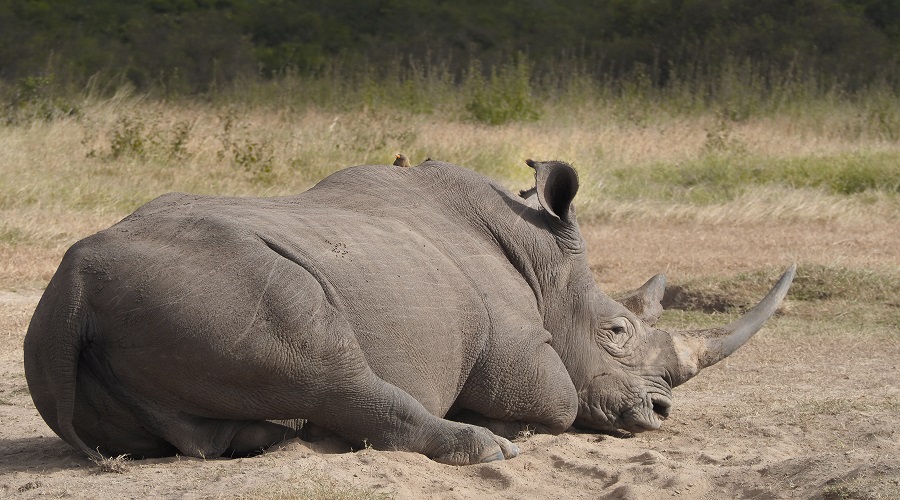
3 Days Serengeti & Ngorongoro Safari
A short Tanzania safari combining the Serengeti plains with the Ngorongoro Crater. A good choice for travellers who have limited time but still want to experience two of northern Tanzania's most famous wildlife destinations.
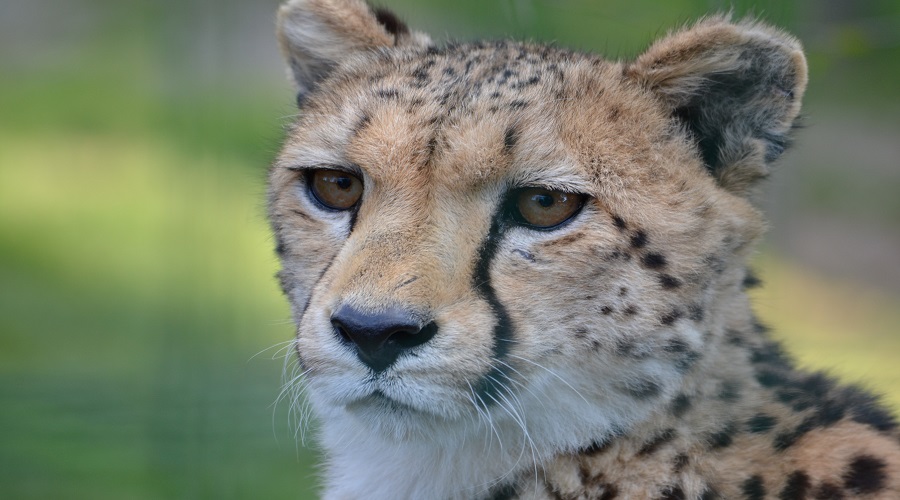
4 Days Serengeti & Ngorongoro Affordable Safari
An affordable safari for travellers who want more time for game drives in the Serengeti and a full wildlife experience in the Ngorongoro Crater without choosing luxury accommodation.

5 Days Serengeti, Tarangire & Lake Manyara Safari
Explore three major wildlife destinations in northern Tanzania on one safari. You will have time for game drives in Serengeti while also visiting Tarangire and Lake Manyara.
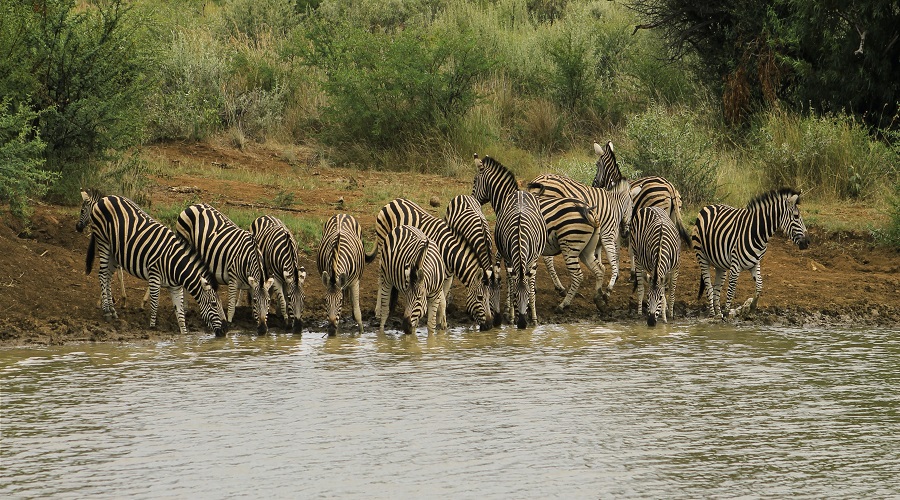
5 Days Luxury Serengeti Safari
A premium safari experience combining excellent wildlife viewing with luxury lodges or tented camps, private safari services and comfortable stays in selected areas of the Serengeti.
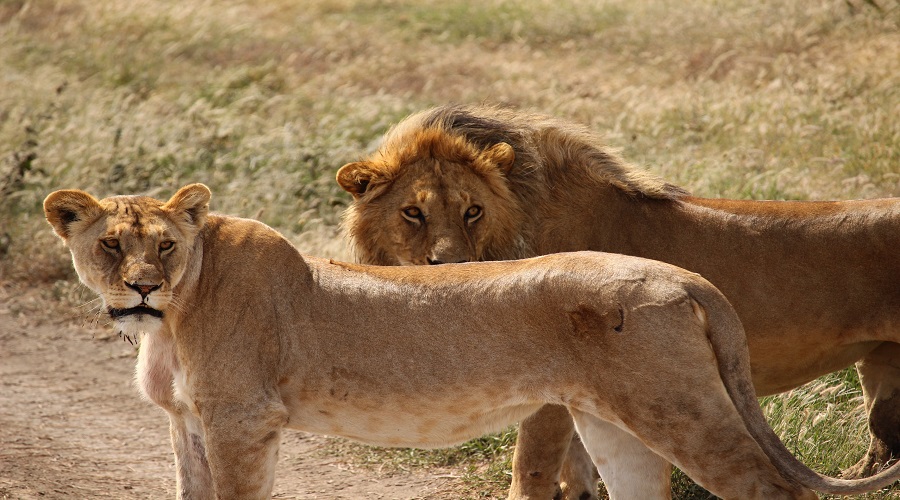
6 Days Serengeti Great Migration Safari
Spend several days exploring the Serengeti while following the seasonal movement of the wildebeest herds. The itinerary can be planned around the expected migration location during your travel dates.
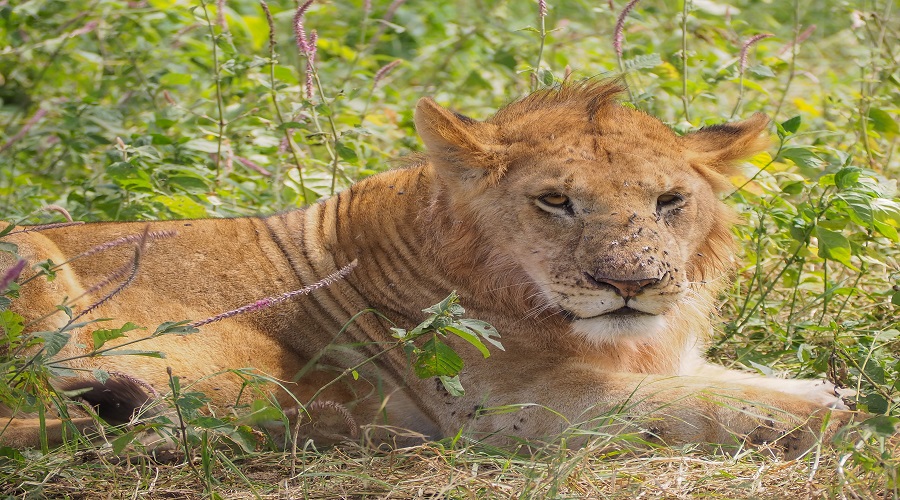
7 Days Private Serengeti Wildebeest Migration Safari
A private migration safari designed for travellers who want more time to follow the wildebeest herds. Travel with your own guide and vehicle for greater flexibility throughout the journey.
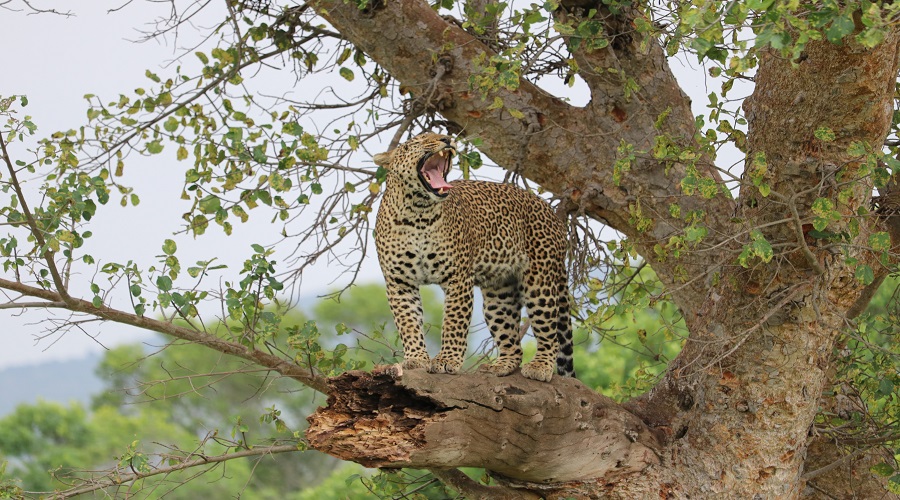
7 Days Private Serengeti Safari
A longer private safari giving you more time to explore the Serengeti without rushing. It is suitable for couples, families and small groups looking for a flexible wildlife experience.
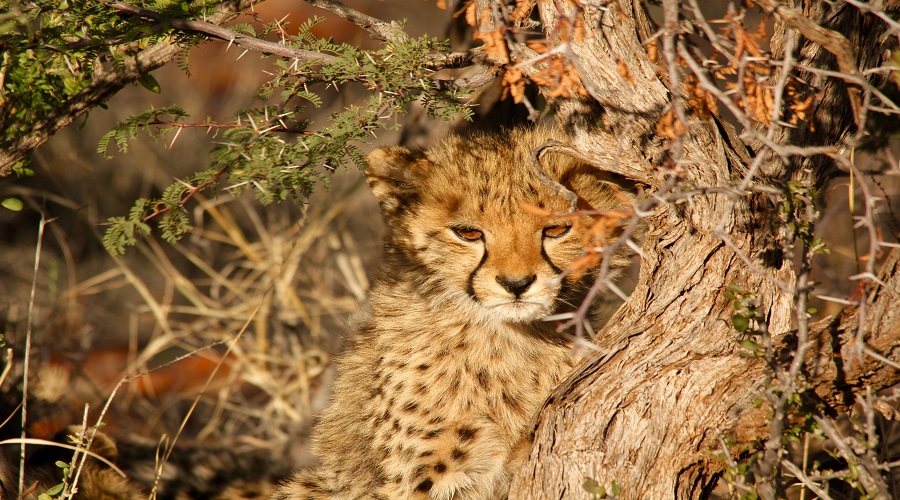
8 Days Serengeti & Northern Tanzania Safari
An extended safari for travellers who want more time in the Serengeti and other northern Tanzania parks. The longer itinerary allows for a slower pace and more opportunities for wildlife viewing.
You can also choose a Serengeti safari from Zanzibar or fly directly into the park on a fly-in Serengeti safari if you want to reduce travel time.
All our Serengeti safari packages can be customised according to your travel dates, number of travellers, accommodation preference and budget.
More Serengeti Safari Packages
In addition to the highlighted tours above, we offer a full range of itineraries from short 2–3 day trips to extended 8–12 day private journeys. Every package can be tailored to your preferred travel style — mid-range, luxury, camping or a mix.
Serengeti Safari From Different Destinations
Most Serengeti safaris begin in Arusha or at Kilimanjaro Airport. It is also possible to fly in from Zanzibar, Dar es Salaam or other Tanzanian destinations. Combinations with Ngorongoro are seamless by road. We arrange all logistics whether you are starting from Moshi, Arusha, the coast or elsewhere in Tanzania.
Serengeti Safari Accommodation
Accommodation ranges from public campsites and simple tented camps to extremely comfortable mid-range lodges and some of the finest luxury camps in Africa. Options exist in every major region of the park. The style you choose will significantly influence both the cost and the overall feel of your safari.
Best Areas to Stay in Serengeti
Seronera is the most practical base for year-round game viewing. Northern Serengeti is the place to stay during the river-crossing season. Ndutu and the southern plains are ideal from December to March. The Western Corridor is excellent when the migration is moving through. Your preferred season should largely determine where you base yourself.
Types of Serengeti Safaris
Classic game-drive safaris remain the core experience. In addition, balloon safaris, limited walking safaris, photography-focused trips, family safaris, honeymoon itineraries, private and small-group departures, camping safaris and specialised migration trips are all available.
Serengeti Game Drives
Morning and afternoon game drives are the foundation of any Serengeti safari. Full-day drives with a packed lunch allow deeper exploration. The best wildlife activity is usually concentrated in the early morning and late afternoon, although big cats can be found throughout the day, especially when temperatures are cooler.
Serengeti Balloon Safari
A hot-air balloon flight over the Serengeti at dawn is one of the most memorable experiences in Africa. Flights typically last about an hour and are followed by a bush breakfast. Balloon safaris operate in several areas of the park, most commonly in the central and western regions. Advance booking is essential, especially in high season.
Serengeti Walking Safari
Guided walking safaris are permitted in certain areas and in adjacent conservancies. Walking offers a completely different perspective — tracking, focusing on smaller details, and experiencing the bush on foot with an armed guide. It is an excellent complement to time spent in the vehicle.
Serengeti Photography
The combination of open landscapes, dramatic light and abundant wildlife makes Serengeti one of the finest photography destinations in Africa. Golden hour (early morning and late afternoon) produces the best light. A telephoto lens in the 300–600 mm range is highly recommended for wildlife, while a wider lens is useful for landscapes and environmental shots.
Birdwatching in Serengeti
More than 500 bird species have been recorded in the Serengeti ecosystem. The park is excellent for both resident birds and Palearctic migrants. Raptors are particularly well represented. The wetter months generally offer the best birding.
Serengeti Landscapes & Ecosystem
The Serengeti is defined by its vast grasslands, but the ecosystem also includes acacia woodlands, rocky kopjes, riverine forest, and seasonal wetlands. These varied habitats support the enormous biomass of grazing animals that in turn sustain the predators. The interplay between rainfall, grass growth and animal movement is what drives the entire migration cycle.
Famous Serengeti Landmarks
Notable landmarks include the Seronera Valley, Simba Kopjes, Gol Kopjes, Moru Kopjes, the Retina Hippo Pool, the Grumeti River, the Mara River, and the nearby Olduvai Gorge, which lies just outside the park in the Ngorongoro Conservation Area.
Serengeti Culture
The wider Serengeti region is traditional Maasai land. While the national park itself has no permanent settlements, cultural visits to Maasai communities can be arranged in the surrounding areas. These visits offer insight into a pastoral way of life that has coexisted with wildlife for centuries.
Serengeti History
The area has been inhabited for thousands of years. European explorers and hunters arrived in the late 19th and early 20th centuries. The Serengeti was first protected as a game reserve and later gazetted as a national park in 1951. It was inscribed as a UNESCO World Heritage Site in 1979 in recognition of its outstanding natural value and the importance of the migration.
Serengeti Conservation
Serengeti faces ongoing challenges including poaching, human-wildlife conflict on its borders, and pressure from infrastructure development. TANAPA, supported by various conservation organisations and tourism revenue, maintains anti-poaching operations and works with adjacent communities. Responsible tourism remains one of the most important sources of funding for long-term protection of the ecosystem.
Serengeti vs Other Tanzania Parks
Serengeti is unmatched for the scale of the migration and the density of large predators. Ngorongoro offers the unique crater experience and is easy to combine. Tarangire is outstanding for elephants and baobab landscapes. The southern parks (Nyerere and Ruaha) provide a wilder, less visited alternative with excellent game viewing but without the migration spectacle.
Serengeti vs Masai Mara
Both destinations are world-class. Serengeti is significantly larger, generally less crowded (outside the busiest parts of Seronera), and allows you to follow the migration across a much longer season and wider area. The Masai Mara is smaller and more compact, which can make game viewing intense but also more congested during peak months. Many travellers who visit both prefer the scale and variety of the Serengeti.
Serengeti & Ngorongoro Safari Combination
The classic Northern Tanzania circuit — Serengeti + Ngorongoro, often with Tarangire or Lake Manyara — remains the most popular and satisfying itinerary for the majority of visitors. It combines the open plains and migration of the Serengeti with the concentrated wildlife and dramatic scenery of the Ngorongoro Crater.
What to Pack for a Serengeti Safari
Pack neutral-coloured clothing (khaki, olive, brown), a warm layer for early mornings, a wide-brimmed hat, sunglasses, high-SPF sunscreen, insect repellent, binoculars, a camera with sufficient zoom, a power bank, basic medical supplies, and copies of your passport and insurance. Soft-sided luggage is preferred for light-aircraft flights.
Serengeti Safari Rules
Visitors must remain inside the vehicle except at designated picnic sites or camps. Maintain a respectful distance from wildlife, observe speed limits, never feed animals, keep noise to a minimum, and do not litter. Drones are prohibited without special authorisation. Your guide will brief you on all park regulations.
Is Serengeti Safe?
Serengeti is very safe for visitors when travelling with a reputable operator. Wildlife is viewed from the safety of purpose-built safari vehicles. Standard precautions against malaria are advised, and comprehensive travel insurance is strongly recommended. Professional guides are trained in both wildlife behaviour and first aid.
Serengeti for Different Types of Travelers
Serengeti works exceptionally well for couples and honeymooners, families with children (with appropriate planning), serious photographers, first-time safari visitors, and both luxury and mid-range travellers. Budget camping options also exist for those who want to prioritise time in the park over accommodation comfort.
Practical Serengeti Travel Tips
Allow a minimum of three nights in the Serengeti; four to six nights is ideal. Book early for migration season. Choose an operator with strong guiding credentials and well-maintained vehicles. Consider flying into the park if your time is limited. Be prepared for early starts — the best wildlife viewing is often in the first hours of daylight.
Frequently Asked Questions
How many days do I need in Serengeti?
A minimum of three nights is recommended. Four to six nights allows a much richer experience.
Can I see the Big Five?
You have an excellent chance of seeing lion, leopard, elephant and buffalo. Black rhino is possible but not guaranteed.
When is the best time for the migration?
River crossings are best from July to October in the north. Calving is best from January to March in the south.
Can I visit Serengeti from Zanzibar?
Yes. The most practical way is by domestic flight.
Is Serengeti worth visiting?
Yes. It remains one of the greatest wildlife destinations on the planet.
How far is Serengeti from Arusha?
Approximately 335 km, or 7–8 hours by road.
Book Your Serengeti Safari
Top Serengeti Safaris specialises in carefully designed mid-range and private safaris with experienced guides, comfortable vehicles and thoughtfully selected accommodation. Whether you want a classic Northern Circuit itinerary, a migration-focused trip, or a fully tailor-made journey, we will create a programme that matches your dates, interests and budget.
Start Planning Your Serengeti Safari
Tell us your preferred travel dates, number of people and what you most want to experience. We reply quickly with a clear, no-obligation proposal.
Request a Free Quote Chat on WhatsApp