What Should I Pack for Safari in Serengeti?
A safari in Serengeti National Park is an exciting adventure. You will spend time in the wild, go on game drives, and enjoy beautiful landscapes. Packing the right items is very important because it helps you stay comfortable, safe, and prepared for different situations.
The weather in the Serengeti can change during the day. Mornings and evenings are often cool, while afternoons can be hot and sunny. You may also travel on dusty roads and spend many hours in a safari vehicle. Because of this, you need to pack smart and keep things simple.
1. Clothing for Safari
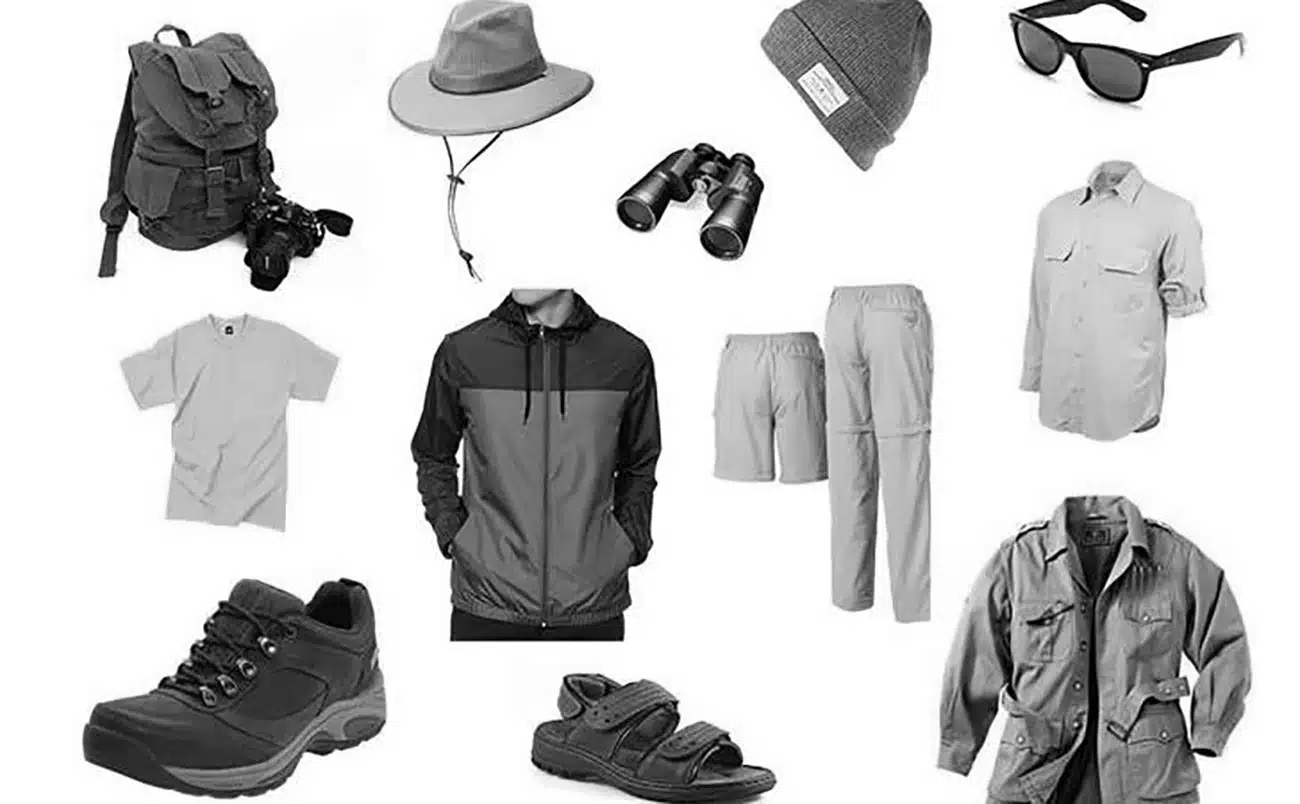
Clothing is one of the most important things to pack for a safari in Serengeti National Park. You will spend many hours outdoors in changing weather conditions, so your clothes should be comfortable, practical, and suitable for both hot days and cool mornings. Choosing the right clothing helps you stay relaxed, protected, and fully focused on enjoying your safari experience.
- Neutral-colored clothes
Wear colors like khaki, brown, green, or beige. These colors blend well with the natural environment and help you avoid attracting unnecessary attention from wildlife. Bright colors such as red or blue can disturb animals or attract insects. Neutral tones are also better at hiding dust, which is helpful because safari roads are often dusty. - Light and breathable fabrics
Choose fabrics like cotton or moisture-wicking materials that allow air to flow easily. These help keep your body cool and dry during hot afternoons. Avoid heavy or thick fabrics because they can make you feel uncomfortable in warm weather. Light fabrics are also easier to wash and dry quickly during your trip. - Long-sleeve shirts and long pants
Long-sleeve shirts and trousers are very useful for safari. They protect your skin from strong sunlight, reduce the risk of sunburn, and help prevent insect bites, especially in the evening. They also protect you from dust during game drives. If it gets warm during the day, you can easily roll up sleeves or choose lightweight versions. - Warm layer
Even though the Serengeti is generally warm, mornings and evenings can be quite cold, especially during early game drives in Serengeti National Park. A light jacket, fleece, or sweater is important to keep you warm and comfortable. Layering your clothing helps you adjust easily as temperatures change throughout the day. - Comfortable underwear and sleepwear
Bring enough underwear for your entire trip, especially if laundry services are limited. Choose breathable fabrics that keep you comfortable during long safari days. Also pack light and comfortable sleepwear so you can relax properly after your daily safari activities and enjoy a good night’s rest.
2. Footwear
ou will spend a lot of time sitting in a safari vehicle, but comfortable footwear is still very important during your stay in Serengeti National Park. You may also walk around lodges, camps, or short distances during stops, so the right shoes help you stay comfortable, safe, and relaxed throughout your safari.
- Closed comfortable shoes
Sneakers or light hiking shoes are the best choice for a safari. They are comfortable for walking around camps, getting in and out of the vehicle, and moving on uneven or dusty ground. These shoes also protect your feet from dust, small stones, and insects. It is best to choose shoes that are already worn-in and comfortable to avoid blisters during long safari days. - Sandals or flip-flops
Sandals or flip-flops are useful for relaxing at your lodge or camp after game drives. They allow your feet to breathe after wearing closed shoes all day. They are also convenient for short walks around your room or dining area in the evening. However, they are not suitable for bush walks or rough ground, so they should only be used in safe and designated camp areas.
3. Safari Essentials
These are must-have items that will make your safari experience in Serengeti National Park more comfortable, safe, and enjoyable. Since you will spend many hours outdoors during game drives, these items help protect you from the sun, keep you hydrated, and organize your daily essentials.
- Hat and sunglasses
A wide-brim hat or cap protects your face, neck, and head from the strong African sun. Sunglasses protect your eyes from bright sunlight, dust, and wind during long drives. It is best to choose sunglasses with UV protection for better eye safety and comfort. - Sunscreen
Use a high SPF sunscreen (SPF 30 or higher) to protect your skin from sunburn. Apply it before heading out on your game drive and reapply during the day if needed. Even when it is cloudy, the sun in the Serengeti can still be very strong. - Insect repellent
Insect repellent is very important, especially in the early morning and evening when mosquitoes are more active. It helps protect you from bites and keeps you comfortable while enjoying your safari activities. - Reusable water bottle
Staying hydrated is very important during your safari. A reusable water bottle allows you to carry and refill water throughout the day. Many safari vehicles and lodges provide drinking water, making it both convenient and eco-friendly. - Daypack or small bag
A small backpack or daypack helps you carry your daily essentials like your camera, sunscreen, water bottle, and personal items. It keeps everything organized and easy to access during game drives, so you can enjoy your safari without stress.
4. Camera and Electronics
- Keep documents safe and organized
Always keep your important documents safe and easy to access during your safari to Serengeti National Park. Carry both printed and digital copies on your phone or email. This helps you stay organized and travel without stress. - Passport
Your passport is required for international travel and identification. It should be valid for at least six months from your travel date and have enough empty pages for stamps. Keep it in a secure place like a travel pouch or hotel safe and avoid carrying it loosely. - Visa
You need a valid visa for Tanzania before or upon arrival, depending on your nationality. Always check the latest visa requirements before traveling to avoid delays or issues at the airport. - Travel insurance
Travel insurance is important for protection during your safari. It covers emergencies such as medical problems, trip cancellations, or lost luggage. It helps you travel with peace of mind. - Booking confirmations
Keep copies of your safari bookings, hotel reservations, and transport details. These help you confirm your plans easily and make check-ins at lodges and camps faster and smoother.
5. Travel Documents
Always keep your important documents safe and easy to access during your safari to Serengeti National Park. It is recommended to carry both printed and digital copies stored on your phone or email. Staying organized with your documents will make your travel smoother and stress-free.
- Passport
Your passport is required for international travel and identification. Make sure it is valid for at least six months from your travel date and has enough empty pages for stamps. Keep it in a secure place such as a travel pouch or hotel safe, and avoid carrying it loosely. - Visa
You need a valid visa for Tanzania before or upon arrival, depending on your nationality. Always check the latest visa rules in advance to avoid delays or problems at the airport. - Travel insurance
Travel insurance is very important for protection during your safari. It covers unexpected situations such as medical emergencies, trip cancellations, or lost luggage. Having insurance gives you peace of mind throughout your journey. - Booking confirmations
Keep printed or digital copies of your safari bookings, hotel reservations, and transport details. These documents help you confirm your arrangements quickly and make check-ins at lodges and camps much easier.
6. Health and Personal Care Items
Being prepared for health and hygiene is very important during a safari in Serengeti National Park. You may be far from towns, shops, or pharmacies, so carrying your own essentials helps you stay clean, comfortable, and healthy throughout your trip.
- Personal medication
Bring enough of your personal medication for the entire safari, plus a small extra supply in case of delays. Keep it in your carry-on bag so it is always accessible. If necessary, carry a doctor’s prescription or note, especially for important medicines. - Basic first aid kit
A small first aid kit is useful for minor health issues. Include items like painkillers, bandages, antiseptic cream, and motion sickness tablets if you feel uncomfortable during long drives. It helps you handle small problems quickly without stress. - Hand sanitizer and wet wipes
These are very important when clean water is not available during game drives or travel. Use hand sanitizer before eating and wet wipes to clean your hands, face, or refresh yourself during the day. - Toiletries
Pack your daily essentials such as a toothbrush, toothpaste, soap, deodorant, and skincare products. Even though many lodges provide basic toiletries, having your own items ensures more comfort and consistency during your safari.
Optional but Useful Items
These items are not required for your safari in Serengeti National Park, but they can make your trip more comfortable and enjoyable. They help you manage long game drives, changing weather, and evening life in safari camps.
- Lightweight scarf or buff
A lightweight scarf or buff protects your face from dust during game drives. Safari roads can be very dusty, especially when other vehicles pass by. It also helps keep you warm during cold mornings and evenings. - Notebook or journal
A notebook or journal is useful for writing down your safari memories. You can note the animals you see, special moments, and your daily experiences. It helps you keep a personal record of your trip. - Travel pillow
A travel pillow makes long drives between parks or flights more comfortable. It supports your neck and helps you rest better, especially on bumpy roads or during long journeys. - Flashlight or headlamp
A flashlight or headlamp is helpful at night in camps or lodges. It helps you move safely in the dark when walking between your room, dining area, or bathroom, and is also useful during power cuts in remote areas.
What NOT to Pack
Some items are not recommended for a safari in Serengeti National Park. Packing the right way helps you travel more comfortably and avoid problems during your trip.
- Bright-colored clothes
These can attract insects and may disturb wildlife. It is better to wear neutral colors like khaki, brown, or green. - Heavy luggage
Avoid large or heavy bags because small aircraft used for fly-in safaris have strict weight limits. Light and soft bags are recommended. - Plastic bags
Plastic bags are restricted in Tanzania, so they should not be packed. Use reusable or eco-friendly bags instead.
Packing Tips
- Use soft bags
Duffel bags are better than hard suitcases, especially for small aircraft used in fly-in safaris. They are easier to carry and store in safari vehicles. - Pack light
Bring only what you need to make travel simple and stress-free. Light luggage is easier to move between camps and parks. - Layer your clothes
Wear clothes in layers so you can adjust to changing temperatures during the day, from cold mornings to hot afternoons.
⇒Packing for a safari in Serengeti National Park does not have to be complicated. The key is to keep it simple, comfortable, and practical.
If you pack the right clothes, essentials, and travel items, you will be ready to enjoy your safari without stress. From watching lions in the wild to relaxing in a luxury lodge, every moment will be more enjoyable when you are well prepared.
A well-packed bag means a better safari experience, so take your time and get ready for an unforgettable adventure in the Serengeti.