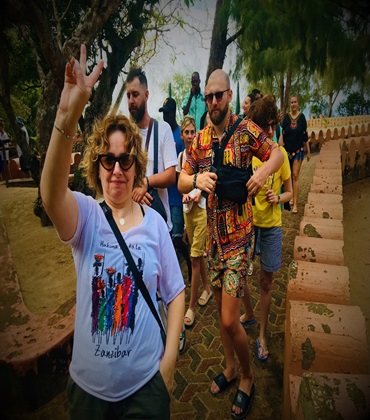
What to Do in Tanzania Besides Safari: Beaches, Mountains, Culture and More
Tanzania is one of Africa’s most popular travel destinations, known around the world for its incredible wildlife safaris. Millions of travelers visit famous parks such as Serengeti National Park, Ngorongoro Crater, Tarangire National Park, and Lake Manyara National Park to see lions, elephants, giraffes, zebras, and the Great Wildebeest Migration. However, Tanzania offers much more than wildlife viewing.
The country is blessed with beautiful beaches, tropical islands, mountains, waterfalls, cultural villages, historical sites, lakes, coffee plantations, and marine parks. Whether you are an adventure traveler, a beach lover, a history enthusiast, or someone looking to experience local culture, Tanzania has something for everyone.
If you are planning a trip and want to explore beyond the traditional safari experience, here are the best things to do in Tanzania besides safari.
1. Climb Mount Kilimanjaro
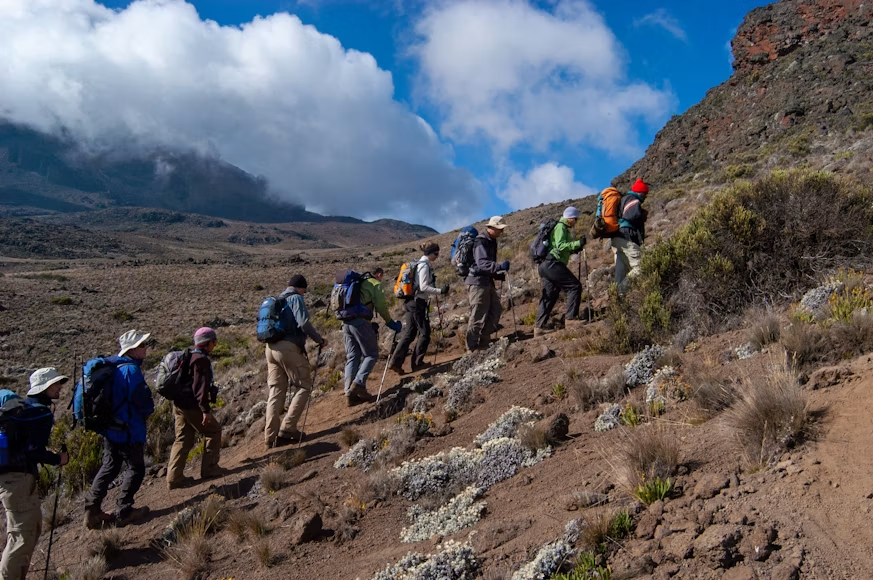
Mount Kilimanjaro is the highest mountain in Africa and one of the most famous trekking destinations in the world. Standing at 5,895 meters above sea level, it attracts thousands of climbers every year. Unlike many high mountains around the world, Kilimanjaro can be climbed without technical mountaineering skills, making it accessible to many travelers.
The journey to the summit takes visitors through several climate zones, including tropical rainforest, moorland, alpine desert, and the icy summit zone. Reaching Uhuru Peak at sunrise is one of the most unforgettable experiences in Tanzania. Most climbs take between five and nine days depending on the route chosen.
Popular Routes to Climb Mount Kilimanjaro
Machame Route
The Machame Route is one of the most popular routes on Mount Kilimanjaro and is often called the "Whiskey Route." It is known for its beautiful scenery and high success rate. The route passes through rainforests, moorlands, rocky valleys, and alpine deserts before reaching the summit. Climbers have more time to adjust to the altitude, which increases the chances of reaching Uhuru Peak successfully. The trek usually takes 6 to 7 days and is suitable for adventurous travelers looking for a scenic and rewarding climb.
Lemosho Route
The Lemosho Route is considered one of the most beautiful routes on Kilimanjaro. It starts on the western side of the mountain and offers stunning views, fewer crowds, and excellent acclimatization opportunities. Climbers pass through lush forests, open moorlands, and dramatic mountain landscapes before joining the Machame Route. Because the route is longer, usually taking 7 to 8 days, it has one of the highest summit success rates on the mountain.
Marangu Route
The Marangu Route is the oldest and most established route on Mount Kilimanjaro. It is often called the "Coca-Cola Route" because it is the most comfortable route and the only one that provides mountain huts instead of camping. The trail follows the same path up and down the mountain, making it less scenic than some other routes. The trek normally takes 5 to 6 days and is popular among climbers who prefer sleeping in huts rather than tents.
Rongai Route
The Rongai Route approaches Mount Kilimanjaro from the northern side near the Kenya border. It is one of the quieter routes and receives fewer climbers than the southern routes. The trail passes through remote wilderness areas where climbers may see wildlife such as monkeys and antelopes. The route is known for its gradual slopes, making it a good option for beginners and travelers looking for a less crowded experience. Most Rongai climbs take 6 to 7 days.
Northern Circuit Route
The Northern Circuit Route is the longest route on Mount Kilimanjaro and offers the best acclimatization profile. The route circles around the northern slopes of the mountain, providing breathtaking views from many different angles. Because it takes 8 to 9 days to complete, climbers have more time to adjust to the altitude, resulting in one of the highest summit success rates. The Northern Circuit is ideal for travelers who want a quieter, more scenic, and less crowded Kilimanjaro experience.
2. Relax on Zanzibar Beaches
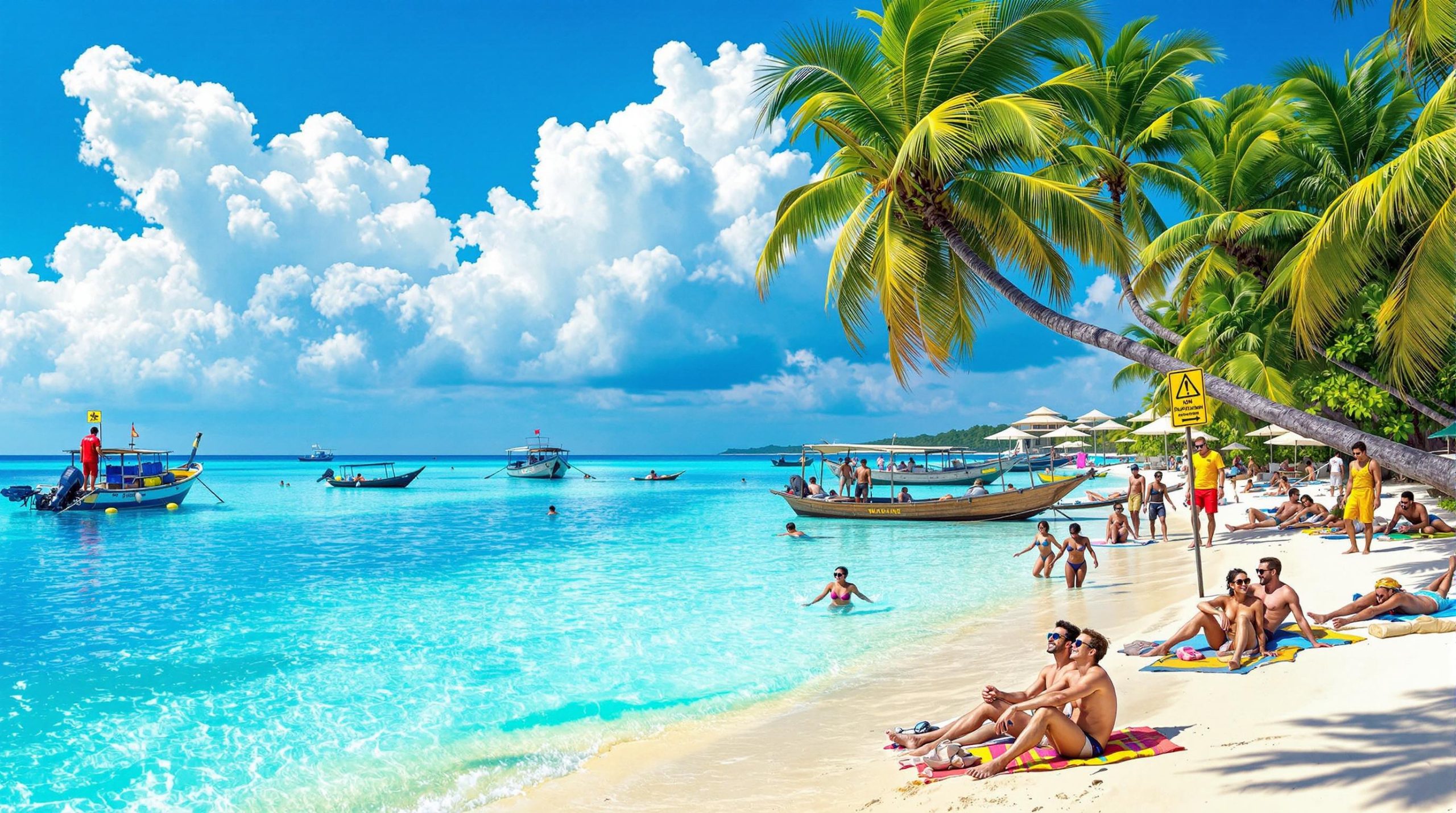
After days of adventure, many travelers head to Zanzibar for relaxation. This tropical island is famous for its white sandy beaches, warm Indian Ocean waters, and laid-back atmosphere. Zanzibar is often considered one of the most beautiful beach destinations in Africa.
Popular beaches include Nungwi, Kendwa, Paje, and Jambiani. Visitors can spend their days swimming, sunbathing, enjoying fresh seafood, taking sunset walks, or simply relaxing by the ocean. The island is perfect for honeymooners, families, couples, and solo travelers looking for a peaceful escape.
3. Visit Materuni Waterfalls
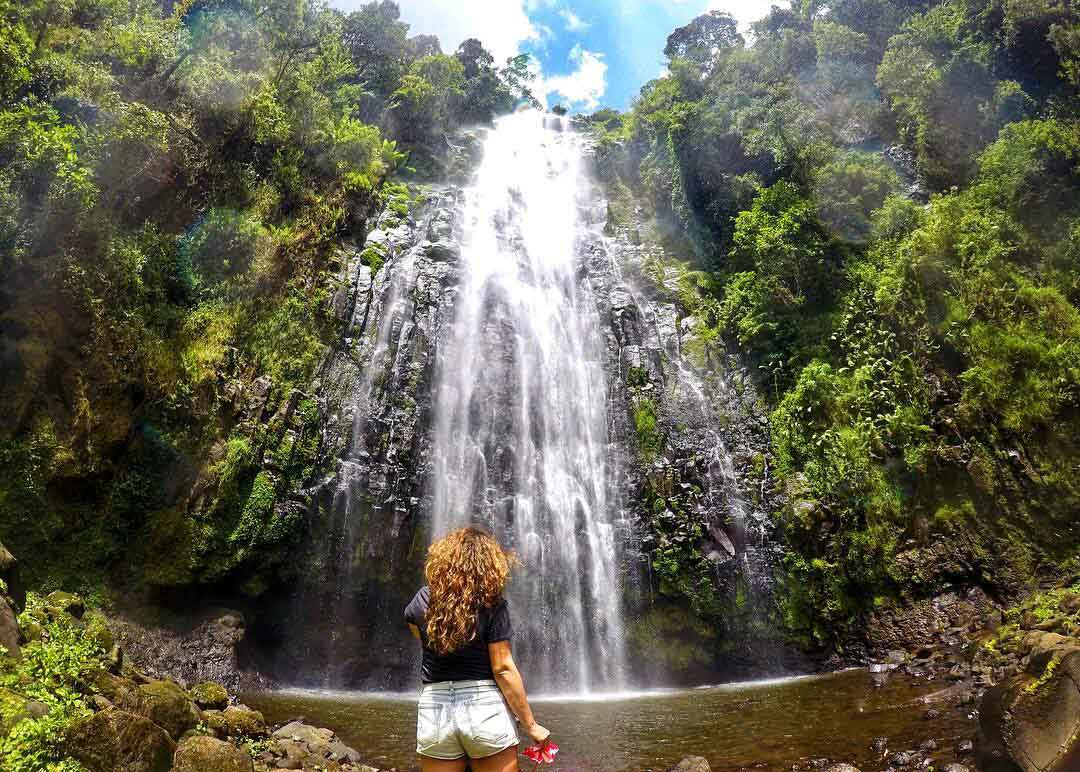
Located near Moshi on the slopes of Mount Kilimanjaro, Materuni Waterfalls is one of the most beautiful natural attractions in Tanzania. The journey to the waterfall passes through green forests, banana plantations, and traditional Chagga villages.
The waterfall drops from a height of more than 80 meters and creates a refreshing natural pool below. Visitors can swim in the cool water, enjoy beautiful scenery, and learn about local culture. Many tours also include a traditional coffee experience where visitors learn how coffee is grown, roasted, and prepared by local farmers.
4. Explore Stone Town
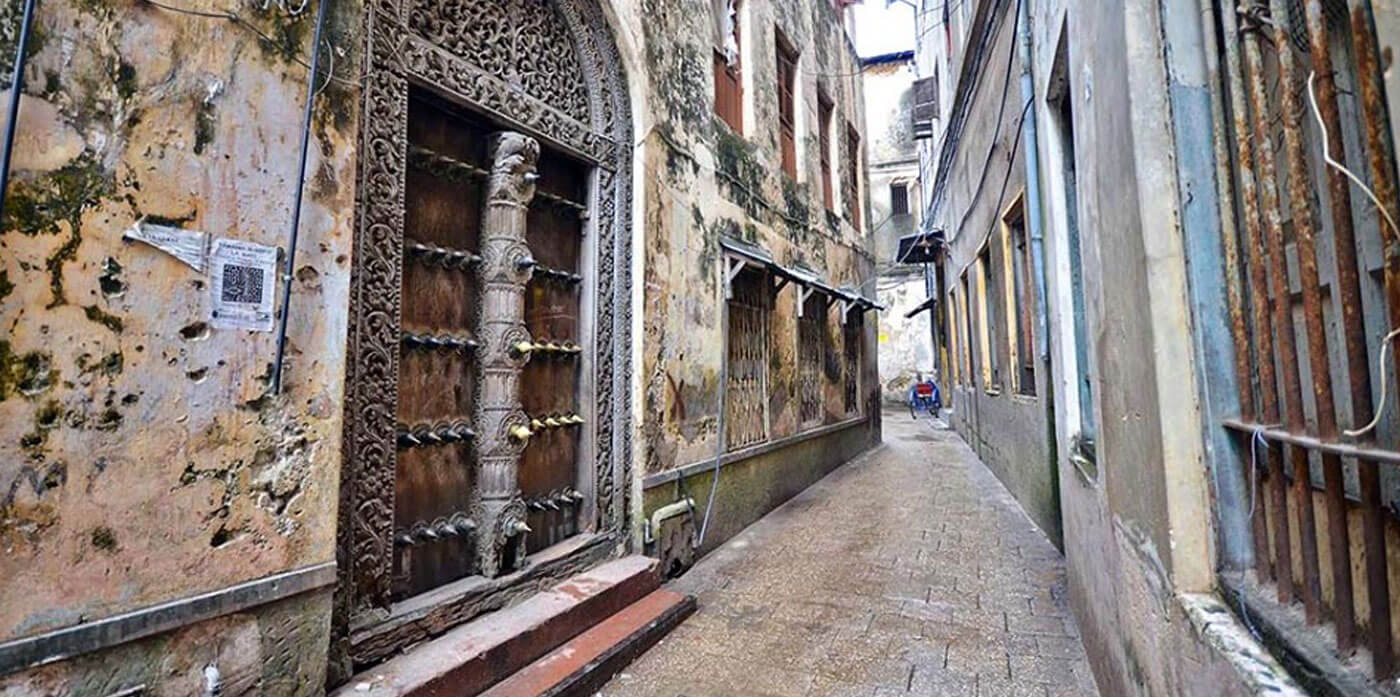
Stone Town is the historical and cultural center of Zanzibar. It is a UNESCO World Heritage Site known for its rich history, narrow streets, ancient buildings, and unique architecture. The town reflects centuries of African, Arab, Indian, and European influences.
Walking through Stone Town is like stepping back in time. Visitors can explore historic buildings, visit local markets, admire beautifully carved wooden doors, and learn about Zanzibar’s role in international trade. The town also offers excellent restaurants, cafes, and cultural attractions.
5. Go Snorkeling and Diving
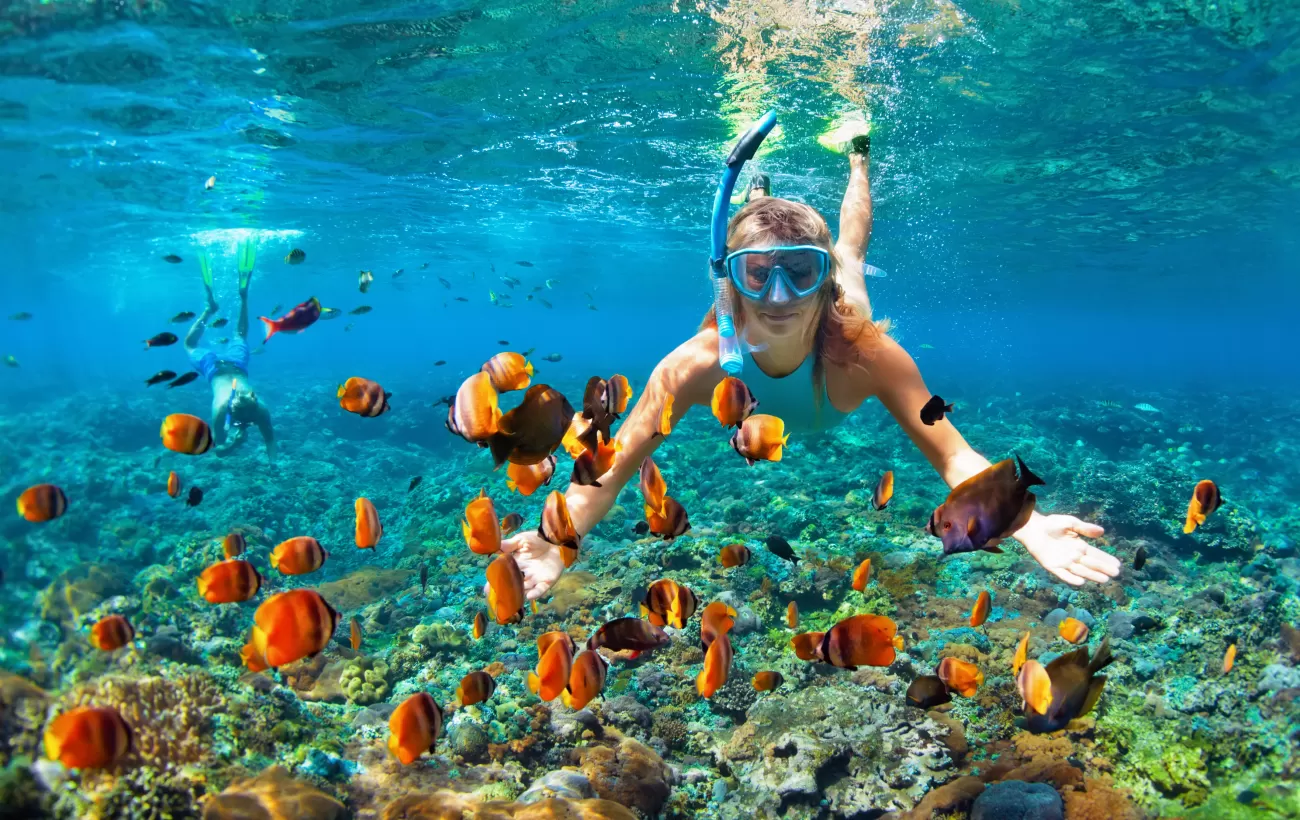
Tanzania's coastline and islands provide some of the best snorkeling and diving opportunities in East Africa. The warm waters of the Indian Ocean are home to colorful coral reefs and a wide variety of marine life.
Popular diving destinations include Mnemba Atoll, Mafia Island, and Pemba Island. Visitors can see tropical fish, sea turtles, dolphins, rays, and vibrant coral gardens. During certain months, whale sharks can also be spotted around Mafia Island. Whether you are a beginner or an experienced diver, Tanzania offers excellent underwater adventures.
6. Visit Local Cultural Villages
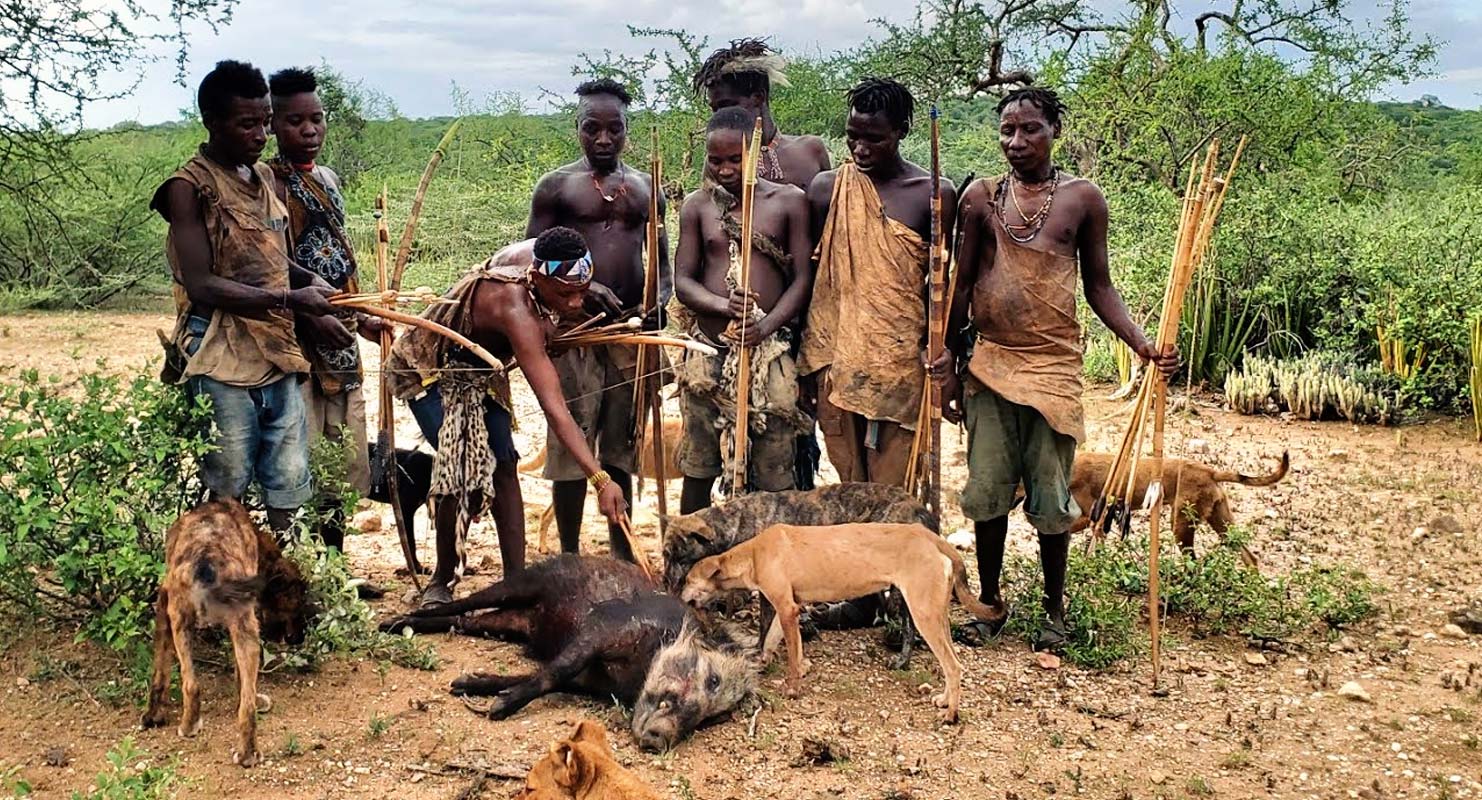
Tanzania is home to more than 120 ethnic groups, making it one of the most culturally diverse countries in Africa. Visiting local communities is a great way to learn about traditional lifestyles, customs, and daily life.
Popular cultural tours include visits to Maasai villages, Chagga communities around Kilimanjaro, and Hadzabe communities near Lake Eyasi. Visitors can learn about traditional farming methods, local foods, dances, music, and family traditions. These experiences provide a deeper understanding of Tanzania beyond its natural attractions.
7. Hike Mount Meru
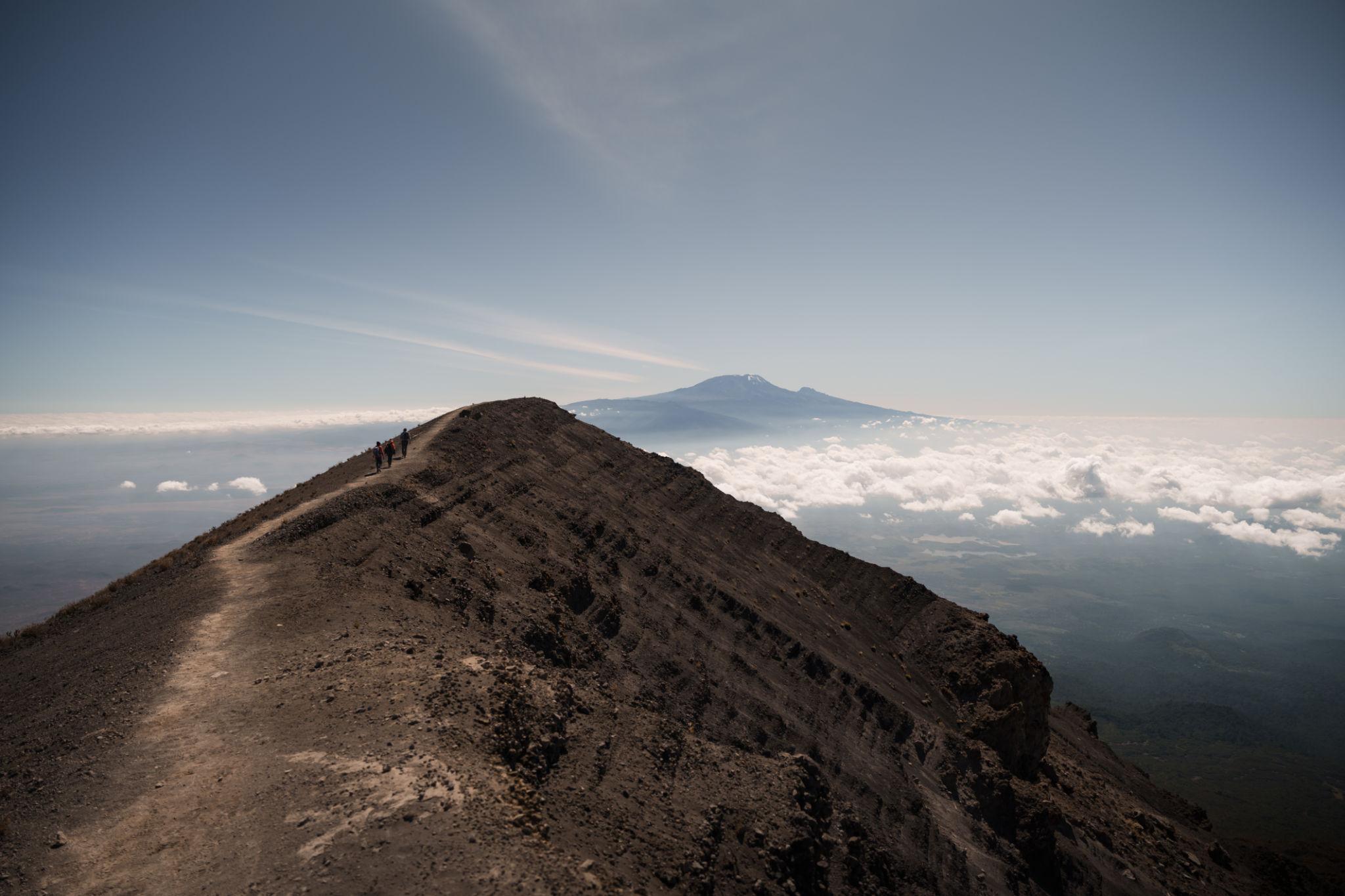
Mount Meru is Tanzania’s second-highest mountain and one of the country's best hiking destinations. Located within Arusha National Park, the mountain offers beautiful scenery and fewer crowds compared to Kilimanjaro.
The hike takes visitors through forests, grasslands, and volcanic landscapes. Along the way, hikers may see giraffes, buffaloes, monkeys, and other wildlife. The summit offers breathtaking views of Mount Kilimanjaro and the surrounding region. Most climbs take three to four days.
8. Explore Tanzania’s Beautiful Lakes
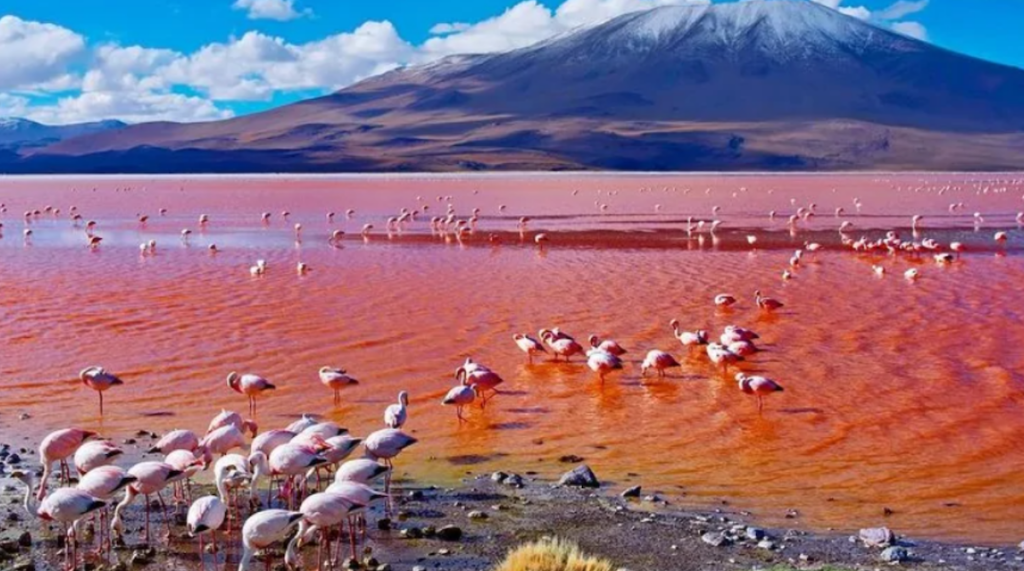
Tanzania is home to several impressive lakes that offer unique landscapes and experiences. Lake Victoria, Africa’s largest lake, supports fishing communities and offers boat excursions. Lake Tanganyika, one of the deepest lakes in the world, is famous for its crystal-clear water, beautiful beaches, and rich aquatic life.
Lake Natron is known for its striking red colors, dramatic scenery, and large flamingo populations, while Lake Eyasi offers cultural experiences with local tribes such as the Hadzabe and Datoga. Another hidden gem is Lake Chala, a stunning crater lake located on the border of Tanzania and Kenya near Moshi. The lake is famous for its deep blue waters, steep crater walls, peaceful surroundings, and excellent opportunities for hiking, kayaking, birdwatching, and photography.
These lakes provide excellent opportunities for photography, birdwatching, fishing, cultural tourism, boating, and outdoor adventures, making them some of Tanzania’s most beautiful natural attractions beyond safari experiences.
9. Visit Coffee Plantations
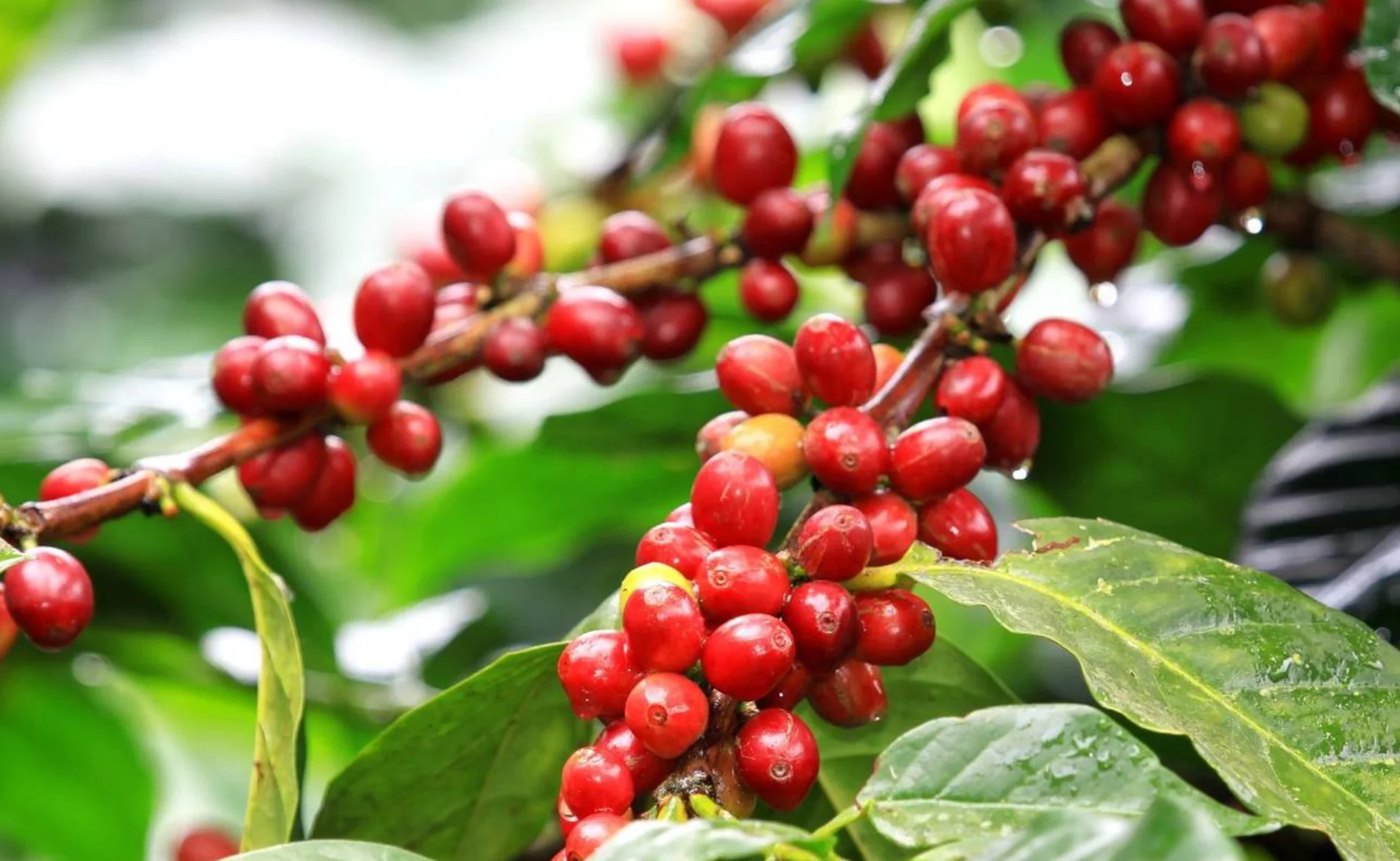
Coffee is one of Tanzania’s most important agricultural products. The fertile volcanic soils around Mount Kilimanjaro and other highland areas produce high-quality Arabica coffee.
Coffee tours allow visitors to walk through plantations, learn about the growing process, participate in traditional roasting methods, and taste freshly prepared coffee. These tours are both educational and enjoyable, offering insight into the lives of local farmers while supporting community tourism.
10. Enjoy Hot Springs
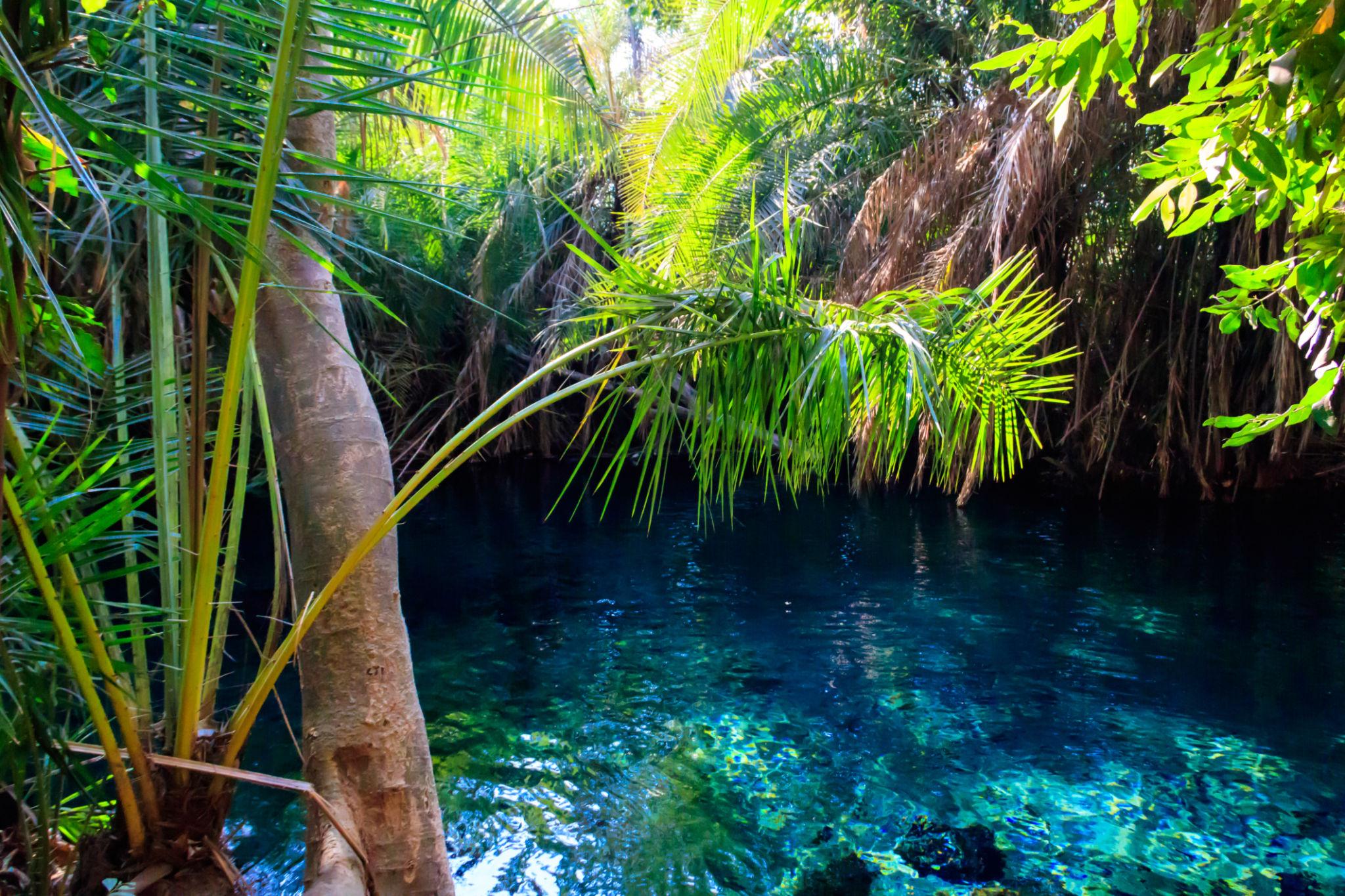
Kikuletwa Hot Springs, also known as Chemka Hot Springs, is one of Tanzania’s hidden natural treasures. Located between Moshi and Arusha, the springs feature crystal-clear water surrounded by large trees and lush vegetation.
Visitors can swim, relax, swing from ropes into the water, or simply enjoy the peaceful environment. The springs provide a refreshing escape from the heat and are a popular day-trip destination for both locals and tourists.
11. Discover Historical Sites
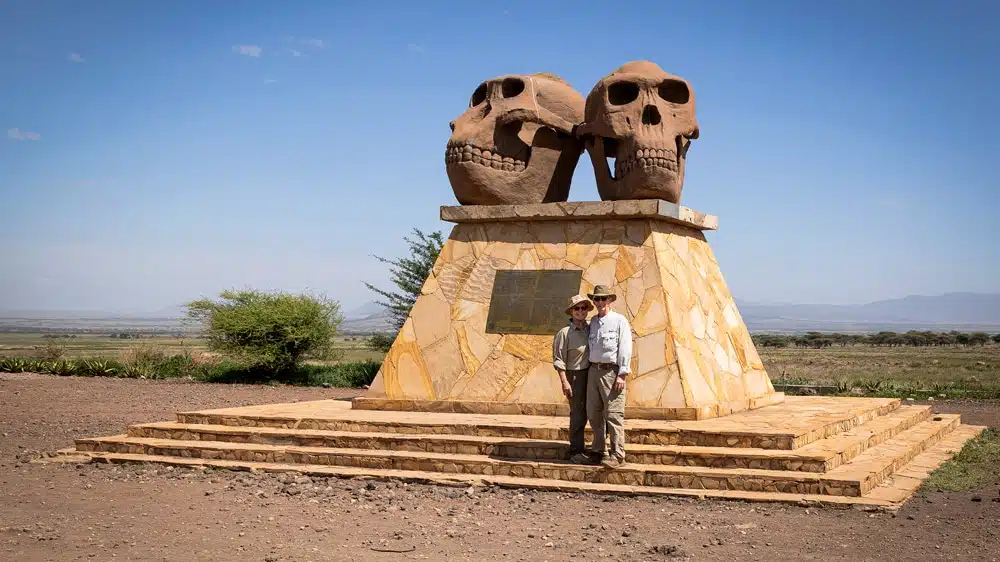
Tanzania has a rich history that spans thousands of years. Several important historical sites offer fascinating insights into human civilization and East African culture.
Olduvai Gorge is one of the world’s most important archaeological sites and is often called the "Cradle of Mankind." Bagamoyo was once an important trading port on the East African coast, while Kilwa Kisiwani was one of the most powerful trading cities in the Indian Ocean centuries ago. Visiting these sites helps travelers understand Tanzania’s historical importance.
12. Experience Local Markets

Local markets provide an authentic glimpse into everyday life in Tanzania. These lively markets are filled with local products, colorful displays, and friendly people.
Popular markets include Maasai Market in Arusha, Darajani Market in Zanzibar, and Kariakoo Market in Dar es Salaam. Visitors can buy handmade crafts, paintings, jewelry, fabrics, spices, and souvenirs while interacting with local artisans and traders.
13. Try Tanzanian Food
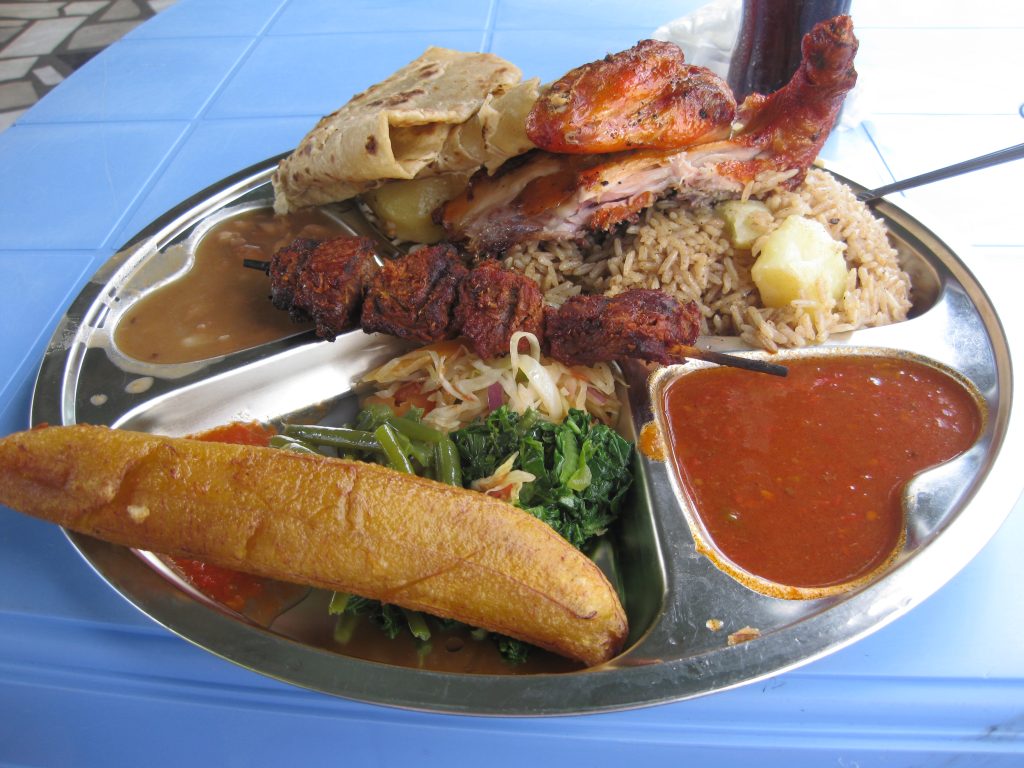
Food is an important part of the travel experience, and Tanzania offers a variety of delicious local dishes. Traditional foods reflect African, Arab, Indian, and coastal influences that have shaped the country's culture over centuries.
Popular dishes include Ugali, Nyama Choma, Pilau Rice, Mshikaki, Chips Mayai, and Zanzibar Pizza. Travelers can explore local restaurants, street food stalls, and spice farms to experience authentic Tanzanian flavors and hospitality.
14. Visit the Usambara Mountains
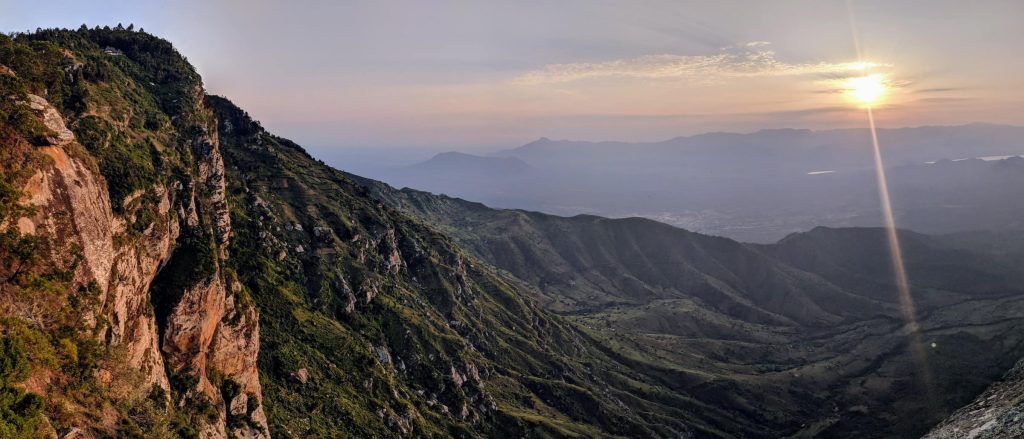
The Usambara Mountains are one of Tanzania's most beautiful and underrated destinations. Located in northeastern Tanzania, the mountains are known for their cool climate, green forests, small villages, and spectacular viewpoints. Travelers can enjoy hiking, bird watching, cycling, and cultural tours while exploring the peaceful countryside. The area offers a completely different experience from Tanzania's wildlife parks and is perfect for nature lovers looking to escape the crowds.
⇒Tanzania is much more than a safari destination. While its wildlife parks are world-famous, the country also offers beautiful beaches, towering mountains, cultural experiences, waterfalls, historical sites, marine adventures, and unique local traditions. Whether you are climbing Mount Kilimanjaro, relaxing on Zanzibar’s beaches, exploring Stone Town, swimming in hot springs, or learning about local cultures, Tanzania provides unforgettable experiences beyond the safari vehicle.
By combining safari adventures with these activities, visitors can discover the true diversity and beauty of Tanzania and create memories that last a lifetime.