
Tanzania is one of Africa’s most remarkable travel destinations, famous for its world-class wildlife safaris, the spectacular Great Migration in the Serengeti, the iconic Mount Kilimanjaro, and the beautiful beaches of Zanzibar. Because of these extraordinary attractions, many travelers planning a trip often wonder: Is Tanzania expensive to visit?
The cost of traveling in Tanzania can vary widely depending on the type of experience you choose. From budget camping safaris and group tours to luxury fly-in safaris and premium lodges, the country offers travel options for different budgets. However, certain costs—such as national park entrance fees, conservation charges, and transport logistics to remote wildlife areas—play a major role in shaping overall travel expenses.
Over the past few years, travel costs in Tanzania have remained relatively stable, with only moderate price adjustments in safari packages due to fuel, food, and operational costs. At the same time, travelers continue to benefit from Tanzania’s exceptional wildlife density, vast national parks, and fewer crowds compared to many other safari destinations in Africa.
In this 2026–2027 guide, we explore the real cost of visiting Tanzania by breaking down safari prices, park fees, accommodation, food, transport, and seasonal price differences. We also share practical strategies that can help travelers reduce costs and get the best value from their Tanzania adventure.
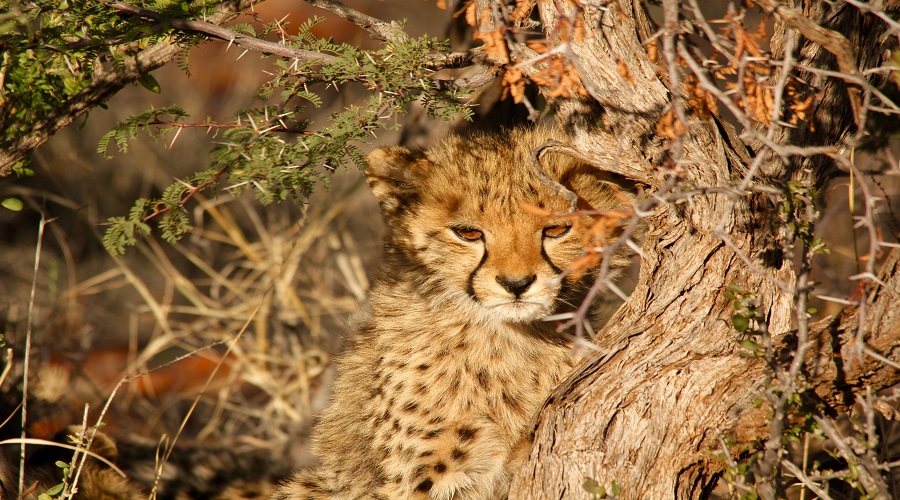
Many travelers wonder why a Tanzania safari sometimes appears expensive at first glance. The truth is that Tanzania offers some of the most extraordinary wildlife experiences on the planet. From witnessing the dramatic Great Migration in Serengeti National Park to spotting the legendary Big Five inside the spectacular Ngorongoro Crater, this destination delivers world-class adventures that are difficult to match anywhere else.
A major factor behind safari prices is the government conservation fees. These park fees help protect wildlife, maintain ecosystems, and support local communities. For example, premium parks such as Serengeti charge about $70–$83 per person per day. While that may seem high, these funds play a crucial role in preserving Tanzania’s natural heritage.
Another reason for the cost is logistics. Many safari destinations are remote and require specialized 4×4 vehicles, experienced guides, and reliable fuel supplies. Luxury lodges and fly-in safaris can raise the price significantly, but travelers can still enjoy the same wildlife encounters through budget-friendly options like group camping safaris — often 40–60% cheaper.
Despite slight inflation affecting fuel, food, and staff wages, Tanzania still offers excellent value compared to other safari destinations. Travelers often enjoy fewer crowds than in places like the Maasai Mara in Kenya while experiencing incredibly dense wildlife populations and authentic community-focused tourism.
To help you plan realistically, here’s a breakdown of typical travel expenses in Tanzania. These estimates exclude international flights to Kilimanjaro International Airport, Arusha, or Dar es Salaam, which usually range from $800 to $1500 round-trip from Europe or the United States.
These fees are fixed and identical for both budget and luxury travelers.
With a little planning, Tanzania can be surprisingly affordable. Here are some practical tips to enjoy an incredible safari experience while keeping your travel budget under control.
Joining a shared safari dramatically reduces costs because the vehicle, guide, and fuel are split among travelers. Many group safaris depart weekly from Arusha and are perfect for exploring Serengeti or Ngorongoro without paying for a private vehicle.
Camping safaris are one of the most affordable ways to explore Tanzania’s national parks. Sleeping under the African stars while hearing distant lions at night is a unique adventure many travelers remember forever.
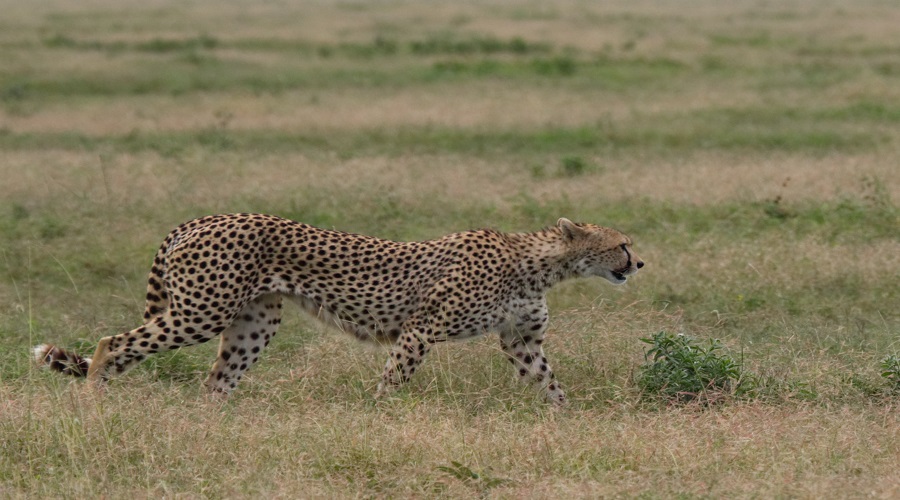
Traveling in April, May, or November can reduce safari prices by 30–50%. During these months the landscapes are greener, the parks are quieter, and wildlife sightings remain excellent.
Local buses and dala-dalas are incredibly cheap and connect many towns. For example, a bus between Arusha and Moshi can cost only a few dollars compared to private transfers.
Tanzania’s street food and local restaurants are both delicious and affordable. Meals like ugali with beans, vegetables, or nyama choma cost just a few dollars.
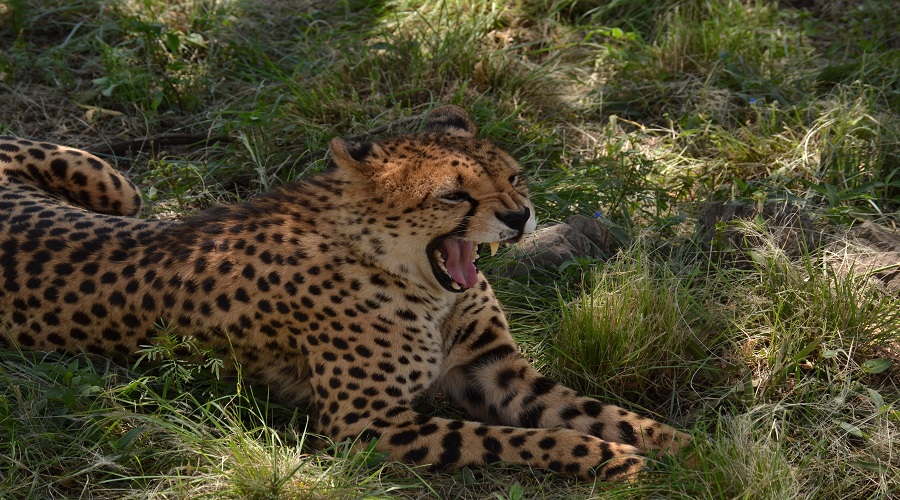
While Serengeti and Ngorongoro are iconic, Tanzania has many beautiful and more affordable parks and activities.
Booking directly with reputable Tanzanian safari companies often saves 20–40% compared to international agents. Local operators provide transparent pricing, flexible itineraries, and valuable insider knowledge about the best travel times and routes.
Yes, Tanzania can be expensive compared to some budget travel destinations, but it is also more accessible than many travelers assume. The overall cost in 2026–2027 depends on the type of experience you choose. Budget travelers can explore the country for around $100–300 per person per day by joining group safaris, camping, and traveling during low or shoulder seasons. Mid-range safaris typically range from $300–600 per day, while luxury experiences with fly-in safaris and premium lodges can exceed $800+ per day.
High fixed costs such as national park fees, conservation levies, and logistics for remote safari areas contribute to these prices. However, careful planning—choosing group tours, camping, traveling off-peak, and booking directly with local operators—can help travelers experience Tanzania’s incredible wildlife, landscapes, and culture without overspending.
Expert breakdowns, custom budgets, and insider savings—get started today!
Email Us Call Us WhatsAppContact: info@topserengetisafari.com | +255 676 063 791
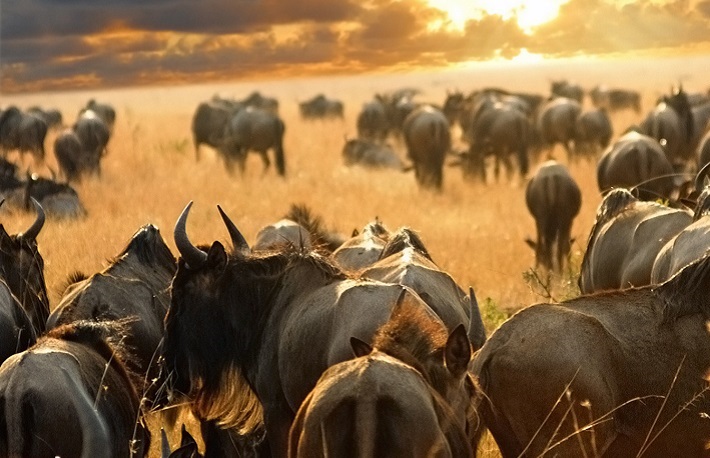
Home to the Great Wildebeest Migration and the Big Five.
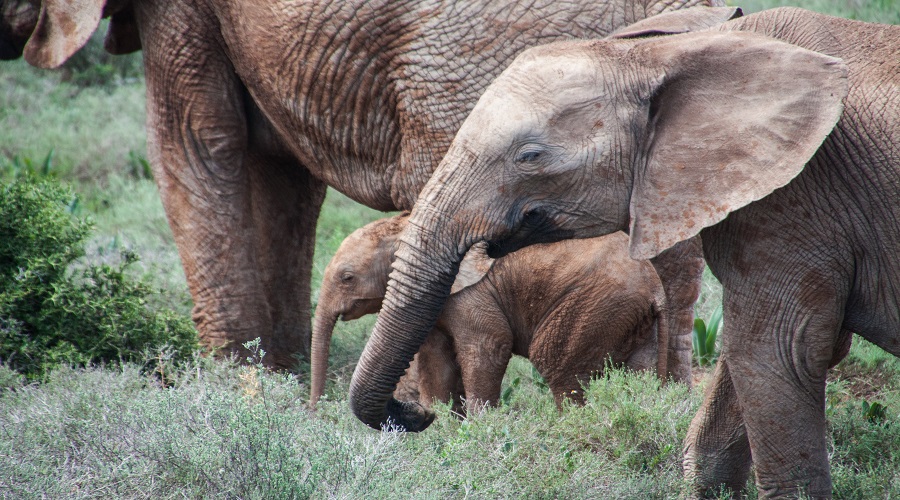
Famous for giant elephant herds and majestic baobab trees.
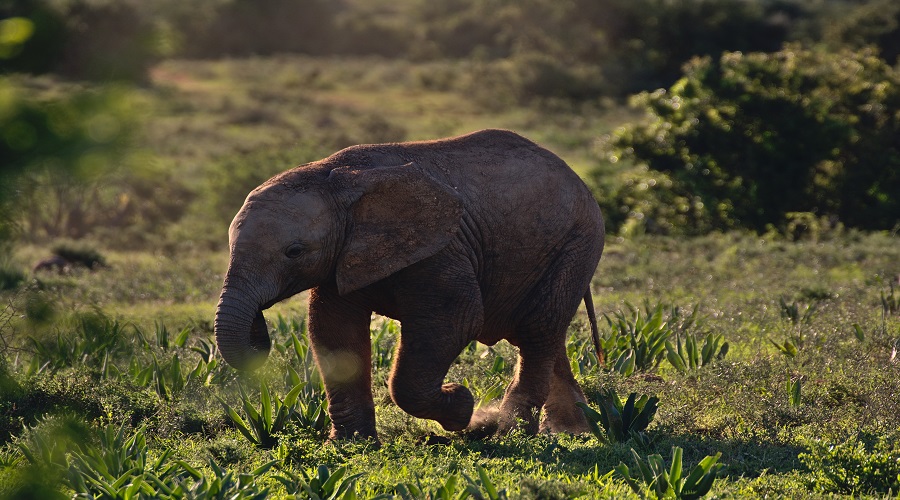
A UNESCO World Heritage Site and home to the Big Five.
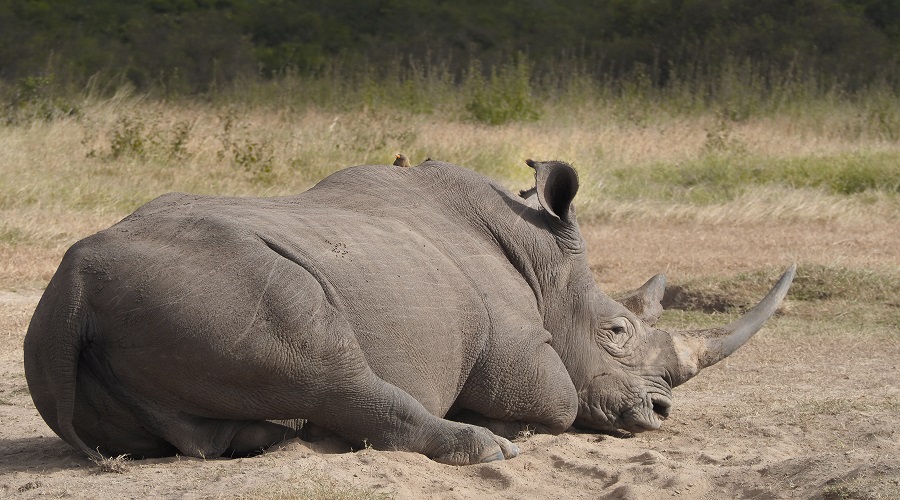
Closest park to Arusha city with giraffes and Mt. Meru views.

Africa’s highest peak, offering epic trekking adventures.
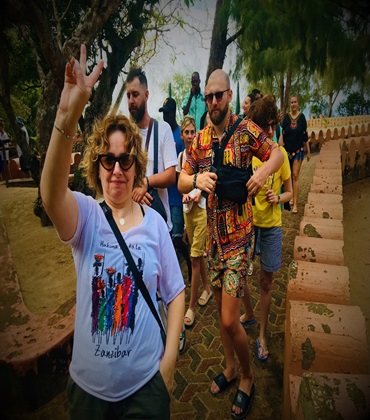
Top Serengeti Safaris Co LTD, a premier locally owned operator, offers unforgettable safari adventures across Tanzania’s iconic destinations, including Serengeti, Ngorongoro, and Tarangire.


Copyright © 2026 Top Serengeti Safaris Co LTD. All Rights Reserved. | Designed by Isaya Deogratias