
Step beyond the vehicle and into the heart of the Serengeti. Walking safaris offer an intimate, sensory-rich way to experience Africa’s greatest wilderness — tracking animals on foot, learning ancient Maasai tracking techniques, and discovering the smaller wonders of the ecosystem. This is safari at ground level, raw and unforgettable.
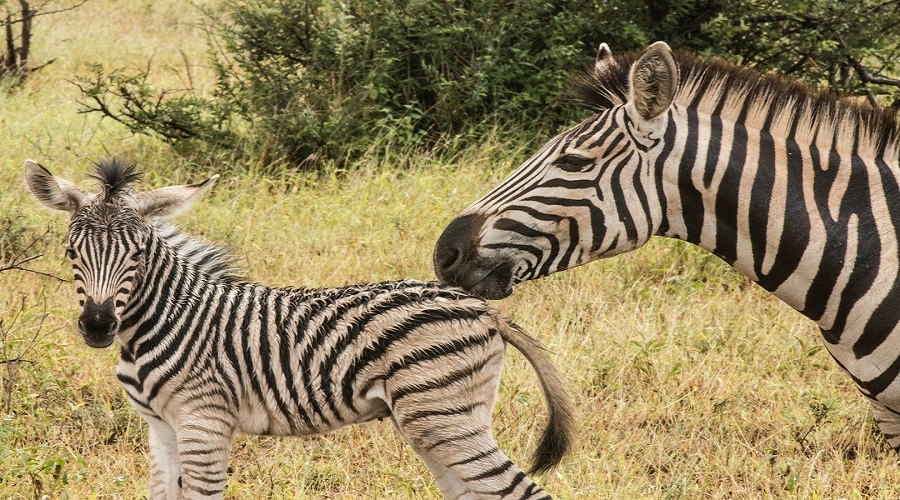
Walking safaris are guided excursions on foot through Serengeti’s protected areas, led by armed rangers and expert naturalists. Unlike game drives, they focus on immersion: reading animal tracks, identifying plants, listening to bird calls, and understanding the delicate balance of the ecosystem.
Walks typically last 2–4 hours and are conducted in the early morning or late afternoon when wildlife is most active and temperatures are cooler.
A walking safari transforms your perspective. You’ll:
Walking safaris are permitted only in designated areas with strict safety protocols. Top locations include:
Full list at things to do in Serengeti.
Walking is possible year-round, but the best conditions are during the dry season (June–October) when trails are clearer and wildlife is concentrated near water.
See our best time to visit Serengeti guide.
Walking safaris are highly regulated for your safety:
A typical walk includes:
Choose camps offering guided walks as part of their program. See all at Serengeti accommodations:
Walking safaris are usually included in luxury and mid-range lodge packages or added as an activity ($80–$150 per person).
Full safari packages including walks start from $2,500 per person for 4 days. Options include:
Walk with lions, track elephants, feel the pulse of the wild.
Get Free Quote WhatsApp Now
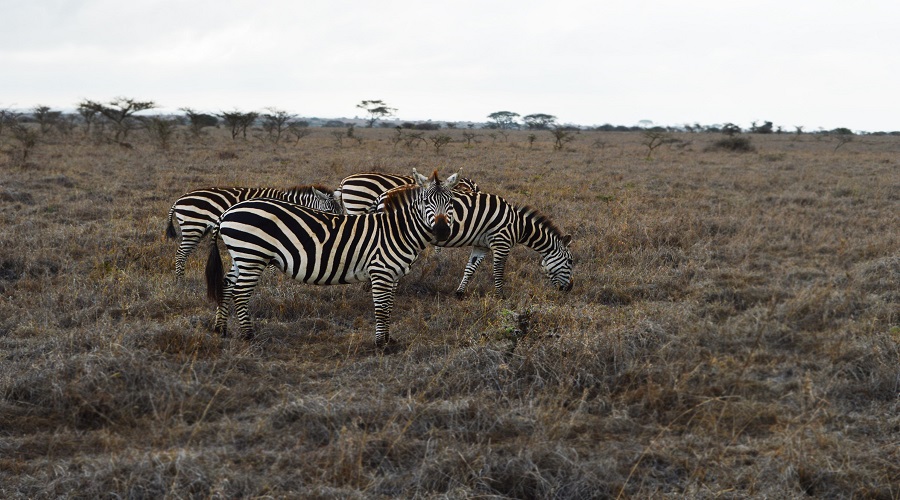
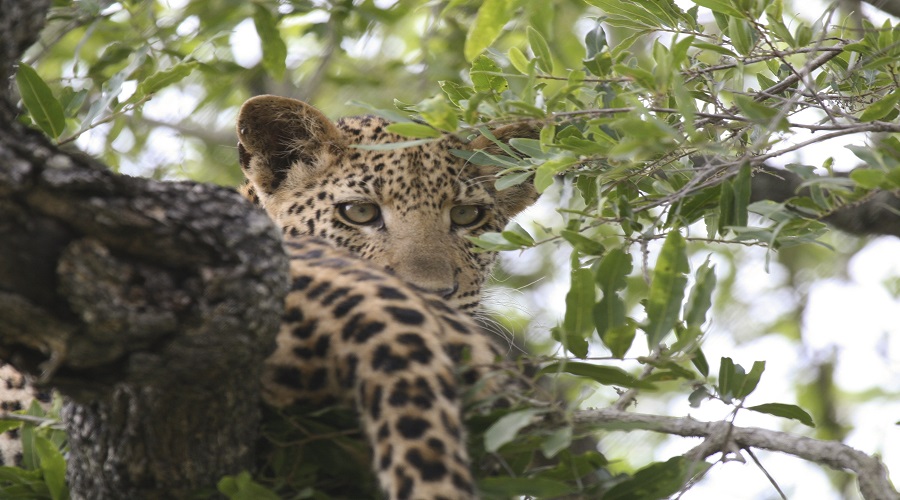
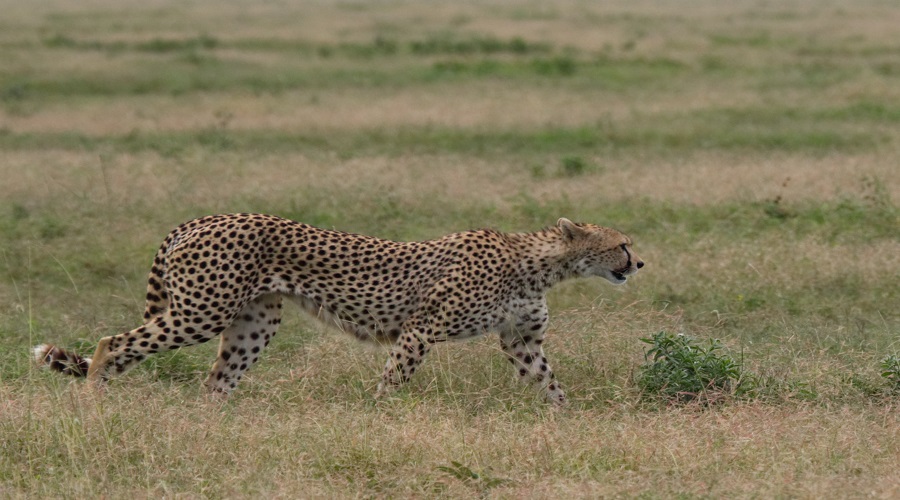
Top Serengeti Safaris Co LTD, a premier locally owned operator, offers unforgettable safari adventures across Tanzania’s iconic destinations, including Serengeti, Ngorongoro, and Tarangire.


Copyright © 2025 Top Serengeti Safaris Co LTD. All Rights Reserved. | Designed by Isaya Deogratias